
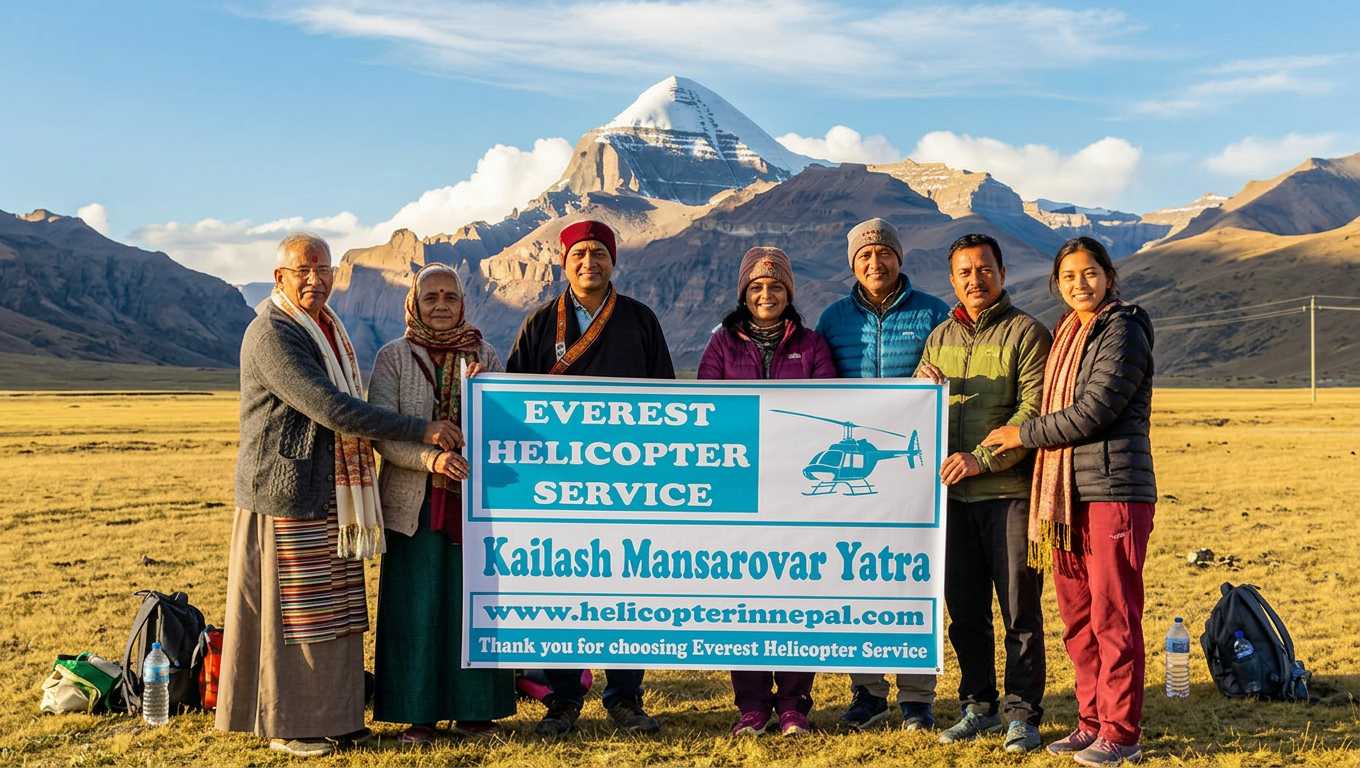
Mount Kailash rises to 6,638 metres in the remote western reaches of the Tibet Autonomous Region of China. It is revered as the earthly throne of Lord Shiva, the axis of the universe in Tibetan Buddhist cosmology, the birthplace of Tonpa Shenrab in the Bon tradition, and the site where the first Jain tirthankara attained liberation. No human has ever climbed its summit out of spiritual reverence. Circumambulating it on foot — the sacred Kailash Kora or Parikrama — is believed to wash away the sins of an entire lifetime.
In 2027, the Tibetan and Hindu lunar calendar aligns in a cycle that occurs only once every twelve years, multiplying the spiritual merit of the journey many times over.
Everest Helicopter Service offers fully inclusive 2027 Kailash Mansarovar Yatra packages by helicopter from Kathmandu, now open for registration.
| Detail | Information |
|---|---|
| Trip Name | Kailash Mansarovar Yatra by Helicopter from Kathmandu 2027 |
| Operated By | Everest Helicopter Service, Kathmandu, Nepal |
| Duration | 10–12 Days (Kathmandu to Kathmandu) |
| Maximum Altitude | Dolma La Pass – 5,636 metres |
| Kailash Kora Distance | 42–52 km over 3 days (on foot) |
| Hotel in Nepal | 4-Star Hotels in Kathmandu & Nepalgunj (Twin Sharing, Vegetarian Meals) |
| Accommodation in Tibet | Clean guesthouses & camps (Twin/Triple Sharing with meals) |
| Price | INR 3,00,000 per person (Standard Group Departure) |
| Group Discount | Special pricing available for larger groups (on request) |
| Eligibility | Age 18–70, Passport (6+ months validity), Medical fitness required |
| Permits Included | Tibet Travel Permit, Chinese Group Visa, Alien Travel Permit (ATP) |
| Best Travel Windows | May–August (Window 1) & September–October (Window 2) |
| Booking Deadline | February 2027 (for Summer Departures) |
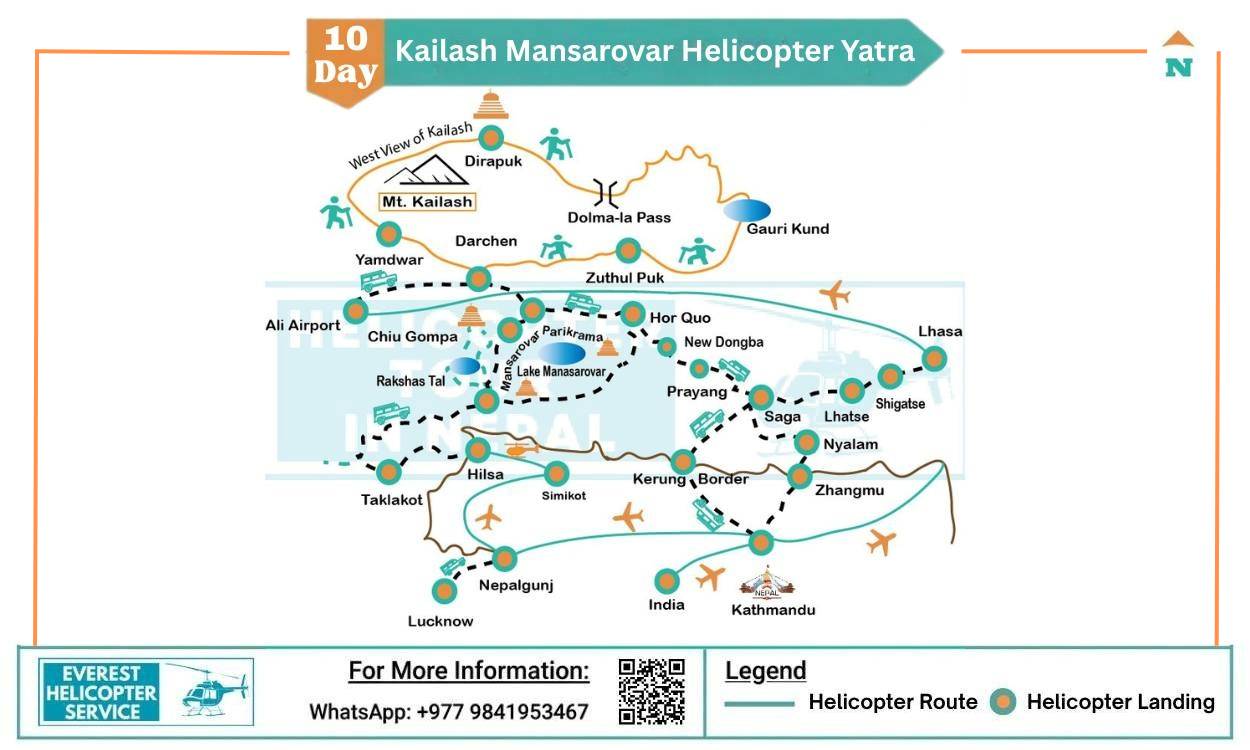
Kathmandu → Nepalgunj → Simikot → Hilsa (Helicopter) → Purang → Lake Mansarovar → Darchen → Kailash Kora (3 Days) → Taklakot → Hilsa → Simikot → Nepalgunj → Kathmandu
| Package | Duration | Approx. Cost (USD) | Approx. Cost (INR) | Group Size |
|---|---|---|---|---|
| Budget | 10–12 Days | $3,500 – $4,500 | ₹2.8L – ₹3.8L | 10–15 persons |
| Standard | 12–15 Days | $4,500 – $6,000 | ₹3.8L – ₹5L | 8–12 persons |
| Premium | 15–18 Days | $6,000 – $8,000 | ₹5L – ₹6.5L | 5–8 persons |
| Luxury | 18–21 Days | $8,000 – $12,000 | ₹6.5L – ₹10L | 2–4 persons (private) |
Groups of 6 or more travelling together receive a meaningful price reduction per person. Contact the Everest Helicopter Service reservations team with your group size for a personalised quote. If you don't have time you can book Kailash Mansarovar Aerial Darshan.
The following is the full day-by-day itinerary for the Kailash Mansarovar Yatra by helicopter from Kathmandu operated by Everest Helicopter Service. The route covers Kathmandu, Nepalgunj, Simikot, and Hilsa in Nepal, before crossing into Tibet for the sacred sites of Purang, Lake Mansarovar, Darchen, and the Kailash Kora.
| Day | Route | Altitude | Distance / Activity | Highlight |
|---|---|---|---|---|
| Day 1 | Arrive Kathmandu | 1,400 m | Rest + Briefing | Welcome Briefing + Pashupatinath |
| Day 2 | Kathmandu → Nepalgunj | 150 m | 1 hr flight | Temple visits + Departure |
| Day 3 | Nepalgunj → Simikot → Hilsa → Purang | 3,900 m | 3 helicopter legs | Tibet Border Crossing |
| Day 4 | Purang → Lake Mansarovar | 4,590 m | 2–3 hr drive | Holy Dip in Lake Mansarovar |
| Day 5 | Mansarovar → Rakshas Tal → Darchen | 4,575 m | Short drive | Sunrise + Rakshas Tal Visit |
| Day 6 | Darchen → Dirapuk (Parikrama Day 1) | 5,000 m | 20 km trek | Kailash Parikrama Begins |
| Day 7 | Dirapuk → Dolma Pass → Zuthulpuk (Parikrama Day 2) | 5,636 m | 22 km trek | Dolma Pass + Gauri Kund |
| Day 8 | Zuthulpuk → Darchen → Purang (Parikrama Day 3) | 3,900 m | 8 km trek + drive | Parikrama Completion |
| Day 9 | Purang → Hilsa → Simikot → Nepalgunj | 150 m | Drive + 2 helicopter legs | Return to Nepal |
| Day 10 | Nepalgunj → Kathmandu | 1,400 m | 1 hr flight | Grand Farewell Dinner |
| Day 11 | Departure from Kathmandu | — | International Flight | Depart with Divine Blessings |
 30 Minutes
 Hotel in Kathmandu
 Your pilgrimage begins the moment you land at Tribhuvan International Airport in Kathmandu. An Everest Helicopter Service representative will receive you and transfer you to your pre-booked 4-star hotel. The afternoon is yours to rest and acclimatise to Kathmandu's altitude of 1,400 metres.
In the evening, the Everest Helicopter Service team conducts a comprehensive Yatra briefing. Our experienced Nepali team leader — fluent in Hindi and English — will walk you through the route, what to expect at each stage, altitude protocols, emergency procedures, and answers to all your questions. This is also when you will be introduced to your fellow pilgrims and the support staff who will accompany you throughout.
Before dinner, visit the Pashupatinath Temple, one of the holiest Shiva temples in the world, located on the banks of the Bagmati River in Kathmandu. Many pilgrims also visit Guheshwari Temple and Jal Narayan Temple on this evening to seek blessings before the yatra begins. Dinner and overnight at your 4-star hotel in Kathmandu.
→ Arrival at Tribhuvan International Airport
→ Private vehicle transfer from airport to 4-star hotel
→ Welcome garland and traditional Nepali greeting
→ Rest and acclimatization walk around the hotel area
→ Evening briefing covering: full itinerary review, permit verification, medical assessment (blood pressure, oxygen, pulse), altitude sickness awareness, safety guidelines, packing guidance, weather briefing, cultural sensitivity, spiritual preparation, emergency contacts
→ Special Welcome Dinner at hotel restaurant — Nepali cuisine and Indian vegetarian dishes
→ Evening prayer and aarti ceremony
Important Notes:
→ Drink minimum 3–4 litres of water throughout the day
→ Avoid alcohol for the entire yatra period
→ Begin Diamox if advised by your doctor
→ Rest early — Day 2 is an early departure day
 MEALS
MEALS Dinner 1 Hour Hotel
 After breakfast at the hotel, you will be transferred to Kathmandu's domestic airport terminal for the one-hour scheduled flight to Nepalgunj in western Nepal. At just 152 metres above sea level, Nepalgunj is significantly warmer and lower than Kathmandu — and this change is deliberate. The lower altitude gives your body a gentle reset before the dramatic ascent ahead.
Upon arrival at Nepalgunj, transfer to your pre-booked 4-star hotel. In the evening, Everest Helicopter Service's local team will conduct a secondary briefing covering the helicopter flight to Simikot and Hilsa. Pilgrims joining from Lucknow or other Indian border cities will meet the group here. Dinner and overnight at the hotel in Nepalgunj.
Altitude: Kathmandu 1,400 m → Nepalgunj 150 m | Transport: Domestic Flight (~1 hour)
Morning — Sacred Temple Visits in Kathmandu:
Pashupatinath Temple (6:00 AM – 8:00 AM):
→ Darshan at the main shrine (Indian and Nepali Hindus can enter inner sanctum)
→ Morning aarti ceremony on the banks of the Bagmati River
→ Puja performed by designated priest
→ Rudraksha mala blessing ceremony
→ Guided tour of temple complex and Panch Deval
→ Meditation on the Bagmati ghats
Boudhanath Stupa (8:30 AM – 9:30 AM):
→ Three rounds of circumambulation for blessings
→ Spinning prayer wheels
→ Visit to Kopan Monastery
→ Buddhist blessing ceremony for safe journey
→ Shopping for prayer flags and spiritual items
Swayambhunath Temple (Optional, 10:00 AM – 11:00 AM):
→ Visit to the ancient Monkey Temple
→ Panoramic views of the Kathmandu Valley
Late Morning:
→ Return to hotel, final packing, luggage weight check
→ Medical kit distribution — oxygen cylinders, Diamox, first-aid supplies
→ Final permit verification
Afternoon — Domestic Flight to Nepalgunj:
→ Flight duration: 55–65 minutes
→ Transfer to hotel in Nepalgunj
→ Evening: explore local market, visit Bageshwari Temple, group dinner
Important Notes:
→ Keep hand luggage light — helicopter weight restrictions apply
→ Network and connectivity becomes limited from tomorrow onwards
MEALS Breakfast + Lunch + Dinner 3 Hours Guest House in Purang This is the day the mountains take over. Wake early. After breakfast, transfer to Nepalgunj Airport for the 40 to 50-minute scheduled flight to Simikot (2,910m), the headquarters of Humla district in far-western Nepal. Simikot sits in a restricted Dolpo zone area, which is why a restricted zone permit is required — Everest Helicopter Service arranges this as part of your package.
After a brief rest at Simikot, you board the chartered helicopter for the defining leg of the Kailash Mansarovar helicopter yatra: the Simikot to Hilsa helicopter flight. This 25-minute ride over pristine Himalayan wilderness and remote valleys is one of the most breathtaking aerial experiences in the world. As the helicopter descends into Hilsa (3,640m) on the Karnali River, you can already sense the energy of the Tibetan plateau that lies just beyond.
At Hilsa, complete immigration formalities at the Nepal-Tibet border crossing. Cross the border on foot, then board vehicles on the Tibetan side for the drive to Purang (Taklakot, 3,900m) — approximately 45 minutes. Purang is a small, clean Tibetan town with guesthouses, local markets, and the supplies needed for the Kailash Mansarovar Yatra. Dinner is freshly prepared vegetarian food by Everest Helicopter Service's dedicated cook. Overnight at Hotel Purang or similar.
Altitude: 150 m → 2,910 m → 3,710 m → 3,900 m | Transport: Helicopter (Multiple legs)
→ Wake-up call at 4:30 AM
→ Helicopter: Nepalgunj to Simikot (55–65 minutes) — views of Terai plains transitioning to Himalayas and Karnali River gorge
→ At Simikot: rest (1–1.5 hours), breakfast, document check, oxygen and blood pressure check
→ Helicopter: Simikot to Hilsa (20–30 minutes) — Nepal-Tibet border at 3,710 m
→ At Hilsa: Nepal exit and Tibet entry immigration (can take 1–2 hours), permit verification
→ Drive: Hilsa to Purang — 1.5–2 hours, first views of the Tibetan plateau
→ At Purang: hotel check-in, acclimatization walk, visit to Korchak Monastery and Simbiling Monastery, medical assessment
Important Notes:
→ Altitude jump from 150 m to 3,900 m today — drink 4–5 litres of water
→ Watch for altitude sickness: headache, nausea, dizziness
→ Avoid strenuous activity on arrival
MEALS Breakfast + Lunch + Dinner Whole Day Guest House in Purang This is a full acclimatisation day — one of the most important days of the entire yatra. Do not underestimate it. At nearly 3,900 metres, your body needs time to adjust before ascending to Mansarovar (4,590m) and eventually Dolma La Pass (5,630m). Rushing this stage is the primary cause of altitude sickness on the Kailash Mansarovar helicopter yatra.
Spend the morning resting and hydrating. In the afternoon, you may visit the ancient Khojernath Temple (also known as the Ramsita Temple) and explore the monastery at Purang. A short, gentle walk in the surrounding area helps your body acclimatise without overexertion. Views of the distant Himalayan peaks begin to emerge. Dinner and overnight at Purang.
Everest Helicopter Service's medical kit, supplemental oxygen, and high-altitude sickness medicine are available throughout this acclimatisation phase. If any pilgrim shows symptoms of acute mountain sickness, our team leader will intervene immediately.
MEALS Breakfast + Lunch + Dinner 3 Hours Guest House Today marks one of the most spiritually charged moments of the entire Kailash Mansarovar Yatra by helicopter: your first sight of holy Lake Mansarovar. Drive approximately 2 hours from Purang through sweeping Tibetan plateau landscapes. En route, you will see the haunting Rakshas Taal (the Lake of Demons) — a brackish lake that stands in stark spiritual contrast to the fresh, holy waters of Mansarovar just beyond.
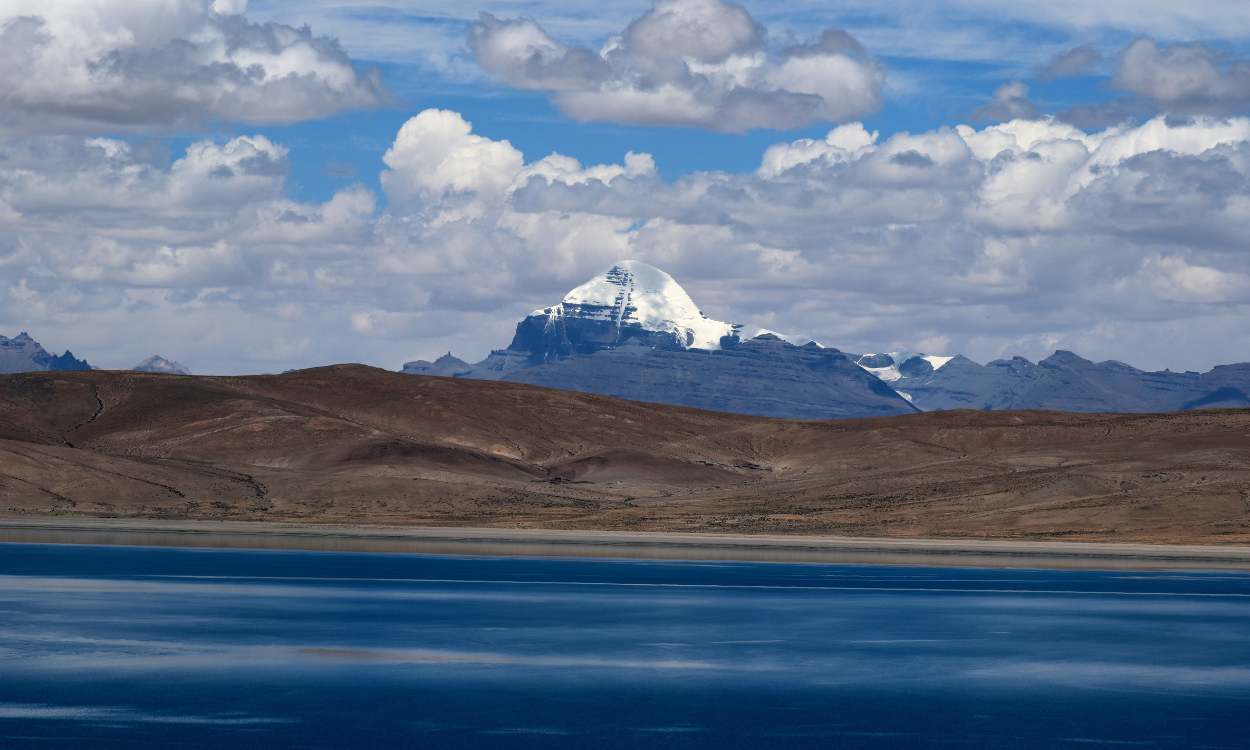
As the vehicle rounds a final bend and the shimmering blue expanse of Lake Mansarovar comes into view, with the white crown of Mount Kailash rising behind it on a clear day, many pilgrims weep. This is the moment they have waited decades for. At 4,590 metres above sea level, Lake Mansarovar (also written as Lake Manasarovar) stretches across 320 square kilometres of the Tibetan plateau, fed by glaciers and revered as one of the highest freshwater lakes in the world.
In the Hindu tradition, bathing in Lake Mansarovar washes away the sins of countless lifetimes. Many pilgrims drink the water, which is believed to purify the soul. After the holy dip, puja rituals are performed on the lakeside. Our cook prepares a warm vegetarian meal as the sun descends over the water. Overnight at the Mansarovar guesthouse on sharing basis (twin, triple, or multi-sharing depending on availability). Accommodation here is basic but spiritually immersive — you fall asleep to the sound of the lake.
Altitude: 3,900 m → 4,590 m | Transport: Private Vehicle (2–3 hours)
→ Morning drive across the Tibetan plateau — views of Gurla Mandhata peak (7,728 m)
→ First sight of Lake Mansarovar on the horizon
→ Camp check-in at lakeside accommodation
Afternoon — Sacred Rituals:
→ Holy dip in Lake Mansarovar (water temperature 4–8°C — keep warm clothing accessible)
→ Puja ceremony by spiritual coordinator and priest
→ Aarti, floating diyas, Sankalpa ceremony, Tarpan to ancestors
→ Collecting sacred Mansarovar water to bring home
→ Visit to Chiu Gompa Monastery on the lakeshore
Evening:
→ Sunset at Lake Mansarovar
→ Evening prayers and bhajans
→ Stargazing at 4,590 m — unparalleled clarity
About Lake Mansarovar:
→ World's highest freshwater lake at 4,590 m
→ Circumference: approx. 88 km; depth: up to 90 m
→ Hindus believe a holy dip cleanses the sins of 100 lifetimes
→ In Buddhism, Queen Maya is said to have bathed here before giving birth to the Buddha
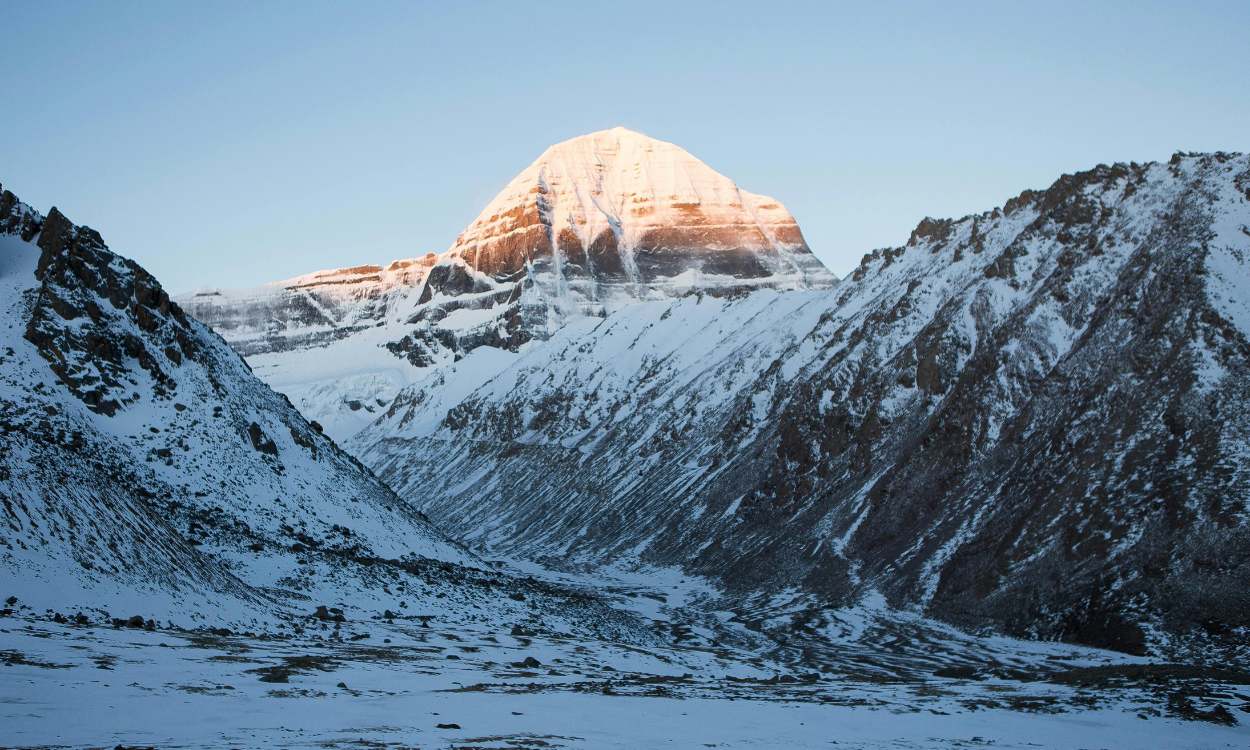
MEALS Breakfast + Lunch + Dinner Whole Day Guest House Today is dedicated entirely to Lake Mansarovar. Wake at 3:00 AM to watch the stars reflected in the lake's surface — a sight that defies description. As the sky lightens, the outline of Mount Kailash appears on the northern horizon, its four faces catching the first rays of sunlight.
The Mansarovar Lake Parikrama (approximately 105 kilometres) is completed by vehicle, with stops at designated viewpoints along the southern and western banks. This vehicle-based parikrama allows pilgrims of all ages and fitness levels to complete the circumambulation while absorbing the lake's sacred energy from every angle.
After the parikrama, drive to Darchen (4,575m) — the base camp and starting point for the Kailash Kora. This drive takes approximately 2 hours. Upon arriving at Darchen, you will meet the yaks and yak-men who will carry your tents, kitchen equipment, and group luggage during the three-day Kailash Parikrama. Pilgrims who wish to hire a personal horse or porter for the Kora may confirm arrangements with our Tibetan guide here. Note that horse and porter charges are paid directly and are not included in the Everest Helicopter Service package. Overnight at a hotel in Darchen.
Altitude: 4,590 m → 4,541 m → 4,575 m | Transport: Private Vehicle
→ Wake at 5:00 AM for sunrise over Lake Mansarovar — Kailash reflected in the water
→ Morning prayers, chanting, final lakeside rituals
→ Drive to Rakshas Tal (Demon Lake): saltwater lake adjacent to Mansarovar, shaped like a crescent moon, site of Ravana's meditation — no birds or fish found here
→ Drive to Darchen (30–45 minutes): base town for Kailash Parikrama
At Darchen:
→ Complete rest and acclimatization
→ First close-up views of Mount Kailash
→ Parikrama gear preparation and yak/horse booking confirmation
→ Detailed briefing from Tibetan guide
→ Medical assessment and distribution of oxygen cylinders
Important Notes:
→ Rest completely — conserve all energy for the Parikrama
→ Pack daypack carefully — carry only essentials during the 3-day circumambulation
MEALS Breakfast + Lunch + Dinner 6 Hours Guest House Har Har Mahadev. The Kailash Kora begins.
After an early breakfast and final preparations, the group walks from Darchen to Yama Dwar — the Gate of the God of Death — which marks the spiritual entrance to the Kailash Parikrama circuit. Most pilgrims pause here for prayer and contemplation before crossing the threshold.
The walk from Yama Dwar along the western face of Mount Kailash to Dirapuk is approximately 14 kilometres and takes 5 to 6 hours at a comfortable pace. The trail is gradual at first, climbing steadily along the valley floor with Kailash's magnificent west face visible above. As you approach Dirapuk (5,050m), the north face of Mount Kailash — considered the most sacred — comes into full view. This is often the most photographed moment of the entire yatra: Kailash's ice-capped summit reflected in the glacial waters below, the sky impossibly blue against the white rock.
Overnight at Dirapuk camp or guesthouse. Dinner prepared by Everest Helicopter Service's cook. Rest well. Tomorrow is the most demanding day of the entire journey.
Altitude: 4,575 m → 4,650 m → 5,000 m | Trek Distance: ~20 km | Duration: 6–8 hours
→ Morning prayers and puja at Darchen, 7:00 AM departure
→ Darchen to Yam Dwar (2 km, 45 min): sacred gateway to the Parikrama — symbolises spiritual rebirth; prayers and rituals at Tarboche Flagpole
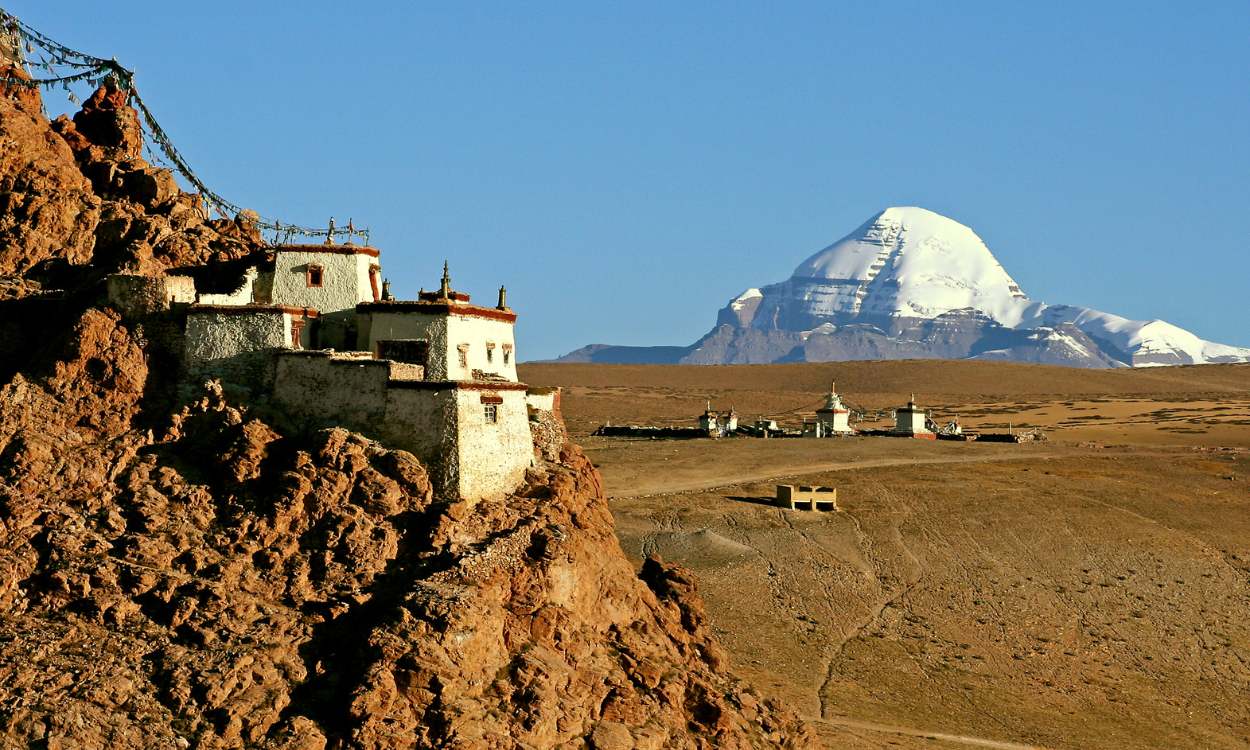
→ Yam Dwar to Dirapuk (18 km, 5–6 hours): trek along the Lha Chu River valley (Valley of the Gods), past Chukku Gompa Monastery, transitioning views from South Face to West Face to North Face of Kailash
→ Arrival at Dirapuk (5,000 m): direct views of the magnificent North Face of Mount Kailash; visit Dirapuk Gompa; hot soup, dinner, medical check
Yak and horse support available for the entire Day 1 trek (included in Standard, Premium, and Luxury packages).
MEALS Breakfast + Lunch + Dinner 8 Hours Guest House This is the most physically and spiritually intense day of the Kailash Mansarovar Yatra. Wake at first light, eat a good breakfast, and prepare for the ascent to Dolma La Pass at 5,630 metres — the highest point of the Kailash Kora and one of the highest mountain passes regularly crossed by pilgrims anywhere in the world.
The climb from Dirapuk to Dolma La takes 4 to 5 hours. The trail is steep and exposed in places. At this altitude, every step requires deliberate effort — slow and steady is the only way. Everest Helicopter Service's Nepali team leader and Tibetan guide accompany all pilgrims throughout this section. Supplemental oxygen is available. The yaks carry all group gear, ensuring pilgrims carry only their personal daypacks.
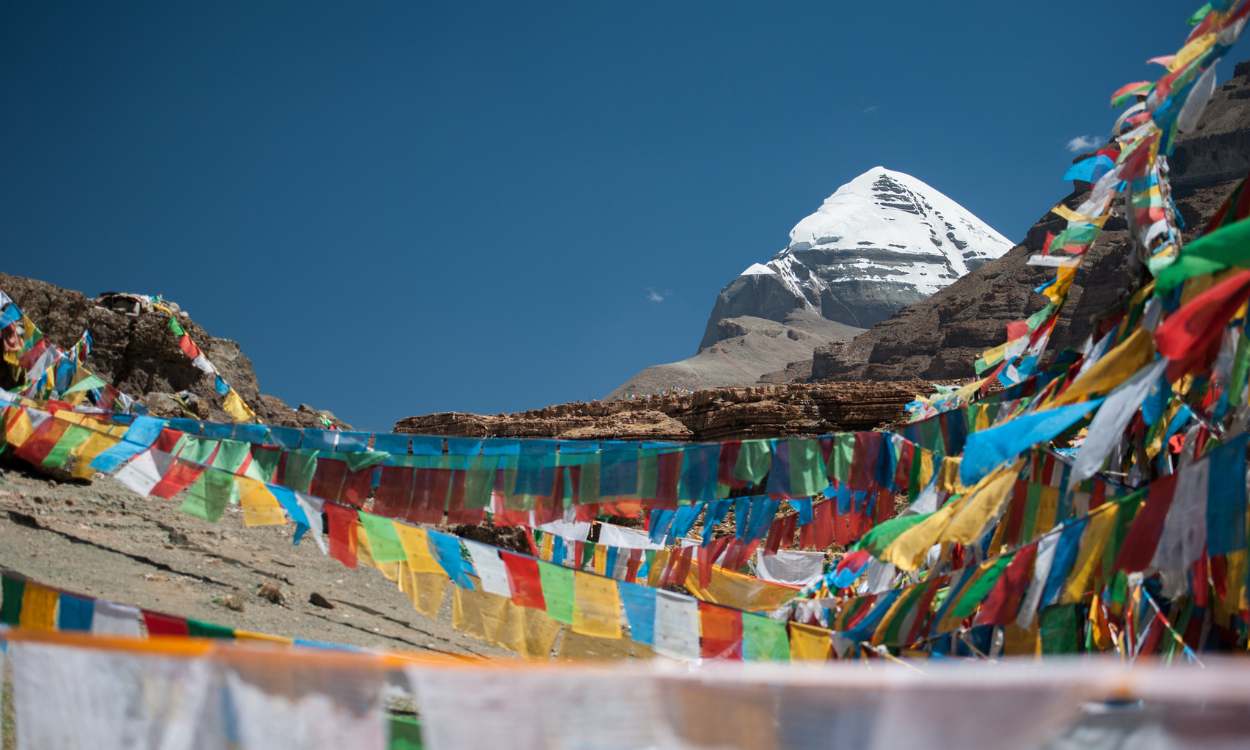
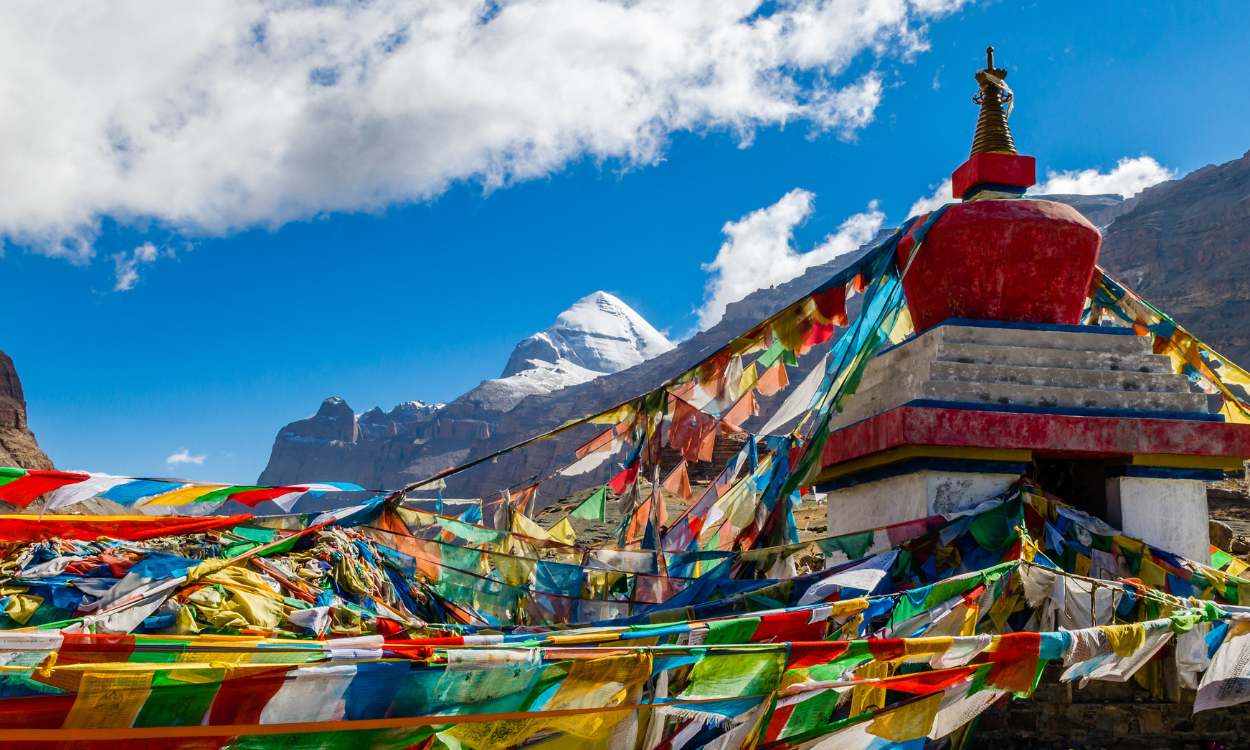
At the summit of Dolma La Pass, prayer flags snap in the wind. Pilgrims drape their own kata scarves and offer prayers. The view from the pass — glaciers, ridgelines, and the vast Tibetan plateau stretching in every direction — is indescribable. This moment is considered the spiritual peak of the entire yatra.
Just below the pass on the eastern descent, Gauri Kund (Holy Lake of Goddess Parvati) sits at 5,608 metres. Access to Gauri Kund itself requires a steep additional descent and return climb, and is optional. The main trail descends steeply from Dolma La into the broad valley below. The total walking distance on Day 2 of the Kailash Parikrama is approximately 22 kilometres, taking 8 to 9 hours. Overnight at Zuthulphuk guesthouse (4,760m). Dinner by our cook.
Altitude: 5,000 m → 5,636 m → 4,760 m | Trek Distance: ~22 km | Duration: 8–10 hours
This is the most spiritually significant and physically demanding day of the entire Yatra.
→ Wake-up call at 4:00 AM, departure by 5:30–6:00 AM
→ Dirapuk to Shiva Tsal (3 km, 1.5 hours): sacred cremation ground — pilgrims symbolically leave behind items from their old life
→ Shiva Tsal to Dolma Pass (3 km, 2–3 hours): steep rocky ascent with loose scree, extreme cold and strong winds — oxygen support available throughout
→ At Dolma Pass (5,636 m): dedicated to Goddess Tara; sacred boulder, prayer flags, prostrations, tying of prayer flags — one of the most overwhelming spiritual moments of the entire journey
→ Gauri Kund (5,608 m): sacred frozen lake where Goddess Parvati is said to have bathed; even touching the ice is considered deeply auspicious
→ Dolma Pass to Zuthulpuk (16 km, 4–5 hours): steep descent through glacial terrain, Lham Chu River valley, views of Kailash East Face
→ Arrival at Zuthulpuk (4,760 m): named after Milarepa's meditation cave; visit Zuthulpuk Monastery; medical check, thanksgiving prayers
Important Notes:
→ This is the hardest day — prepare mentally and physically
→ Do not hesitate to use oxygen at 5,636 m
→ Emergency evacuation is available if needed
→ Temperatures can be well below freezing at Dolma Pass
MEALS Breakfast + Lunch + Dinner 4 Hours Guest House The final day of the Kailash Kora is a 6-kilometre walk from Zuthulphuk to Chongdo, where Everest Helicopter Service's vehicles await. Along the way, pilgrims may visit the sacred Saptarishi Caves — seven caves where the seven Vedic sages are said to have meditated. The eastern face of Kailash accompanies you on the left as you walk.
From Chongdo, drive 6 kilometres to Darchen for a hot lunch prepared by our cook. The group gathers — including those who opted not to complete the full Kora — and vehicles proceed to Taklakot (Purang) for the overnight stay.
Today, there is a palpable sense of quiet joy among pilgrims. The Kailash Parikrama is complete. Dinner and overnight in Taklakot.
For those wishing to extend their spiritual experience, the optional Ashtapada Darshan (a close-up view of Kailash's south face from the Asthapada viewpoint) may be arranged with local jeeps at approximately 500 yuvans per person — payable directly.
Altitude: 4,760 m → 4,575 m → 3,900 m | Trek Distance: 8 km | Duration: 2–3 hours trek + 2–3 hours drive
→ Morning prayers at Zuthulpuk, visit to Milarepa's cave, breakfast
→ Trek Zuthulpuk to Darchen (8 km): final stretch across Barkha Plains, last views of Kailash South Face, completing the full 52 km circumambulation
→ At Darchen: celebration of Parikrama completion, certificate presented to each pilgrim, special celebration lunch
→ Afternoon drive to Purang (2–3 hours): last views of Mount Kailash as you depart
→ Special farewell dinner in Tibet, evening prayers, bhajans with fellow pilgrims
MEALS Breakfast + Lunch + Dinner 5 Hours Hotel in Kathmandu The return journey retraces the route in reverse. After breakfast, drive approximately 45 kilometres to the Nepal-Tibet border at Hilsa. Complete Chinese immigration and exit formalities, cross the border, and arrive on the Nepal side at Hilsa (3,640m).
Board the chartered helicopter for the return flight from Hilsa to Simikot (25 minutes). From Simikot, a scheduled flight to Nepalgunj (40 to 50 minutes). At Nepalgunj, the group may split: pilgrims continuing to Lucknow or other Indian cities depart here; those returning to Kathmandu board the final connecting flight.
The Kailash Mansarovar Yatra by helicopter from Kathmandu concludes at Tribhuvan International Airport. Everest Helicopter Service's representative transfers you to your hotel in Kathmandu. Dinner and overnight in Kathmandu.
Altitude: 3,900 m → 3,710 m → 2,910 m → 150 m → 1400 m | Transport: Drive + Helicopter + Flight to Kathmandu
→ Wake-up call at 5:00 AM, early breakfast, final prayers and farewell to Tibet
→ Drive Purang to Hilsa (1.5–2 hours): Tibet exit immigration formalities
→ Helicopter Hilsa to Simikot (20–30 minutes): final aerial views of the Nepal-Tibet border
→ Helicopter Simikot to Nepalgunj (55–65 minutes): transition from high mountains back to the green Terai
→ Grand Farewell Dinner at a premium Kathmandu restaurant: traditional Nepali cultural performance, group photographs, spiritual sharing, farewell gifts from Everest Helicopter Service team
MEALS Breakfast + Dinner Whole Day - Your final day in Kathmandu. Spend the morning visiting Boudhanath Stupa, Swayambhunath (the Monkey Temple), or simply reflecting on the extraordinary journey you have just completed. Everest Helicopter Service provides a complimentary airport transfer at your scheduled departure time.
We strongly recommend booking your onward international flight from Kathmandu with at least one buffer day after your scheduled return. Weather delays are common on the Simikot-Hilsa helicopter segment, and having a spare day in Kathmandu ensures you do not miss connecting flights.
MEALS BreakfastMay: Fresh conditions, extraordinary visibility, temperatures -2°C to 16°C, relatively uncrowded — ideal for those preferring a contemplative experience.
June: 14–15 hours of daylight, comfortable temperatures 18–22°C (day) and ~4°C (night), auspicious month of Jyeshtha for Hindu pilgrims. North Face of Kailash illuminated by long evening light.
July: Most sought-after month. Guru Purnima full moon — one of the most powerful spiritual dates for Kailash darshan. Wildflowers, yak herders on highland pastures, Lake Mansarovar at peak vitality. Temperatures 18–24°C (day), 5–8°C (night). July batches are specifically timed to Guru Purnima and fill first every year.
Note on monsoon: The Kailash-Mansarovar region lies in the rain shadow of the Himalayas. Western Tibet receives a fraction of Nepal's monsoon rainfall. The Tibetan plateau remains predominantly dry and sunny through July. Occasional short flight delays at Simikot are managed through the buffer day protocol.
August: Conditions very similar to July with slightly less crowding. Sunrise over Mansarovar in August produces some of the most photographed images in Himalayan pilgrimage travel.
September: Post-monsoon perfection. The skies achieve a depth of blue that makes Mount Kailash appear closer than any other month. The Kailash Kora is widely regarded as most visually spectacular in September — golden, angled light transforms the landscape. Temperatures 14–18°C (day), -1°C to -5°C (night). Attracts experienced and repeat pilgrims. Guesthouses and the Kora route are less crowded.
October: Final month of the season. Weather window is narrower — Dolma La Pass can receive early snow. Limited October batches with a maximum of 8–12 pilgrims. The autumn colours of the Tibetan grasslands and migratory birds gathering near Mansarovar give this period a profoundly moving, elegiac quality.
For October departures, book international onward flights at minimum two days after the scheduled Kathmandu return date (not one day as in summer).
| Season | Months | Weather | Crowd Level | Recommended |
|---|---|---|---|---|
| Spring | April – June | Mild & Pleasant | Medium | Excellent |
| Summer / Monsoon | July – August | Rainy & Unstable (Nepal); Dry in Tibet | High | Good (book early for July Guru Purnima) |
| Post Monsoon | September – October | Clear & Stable | Very High | Best |
| Winter | November – March | Extreme Cold | Very Low | Avoid |
| Destination | Altitude | Significance |
|---|---|---|
| Kathmandu | 1,400 m | Starting point — Pashupatinath Temple visit |
| Nepalgunj | 150 m | Domestic transit hub |
| Simikot | 2,910 m | Last major Nepal town — Humla district |
| Hilsa | 3,710 m | Nepal–Tibet border crossing |
| Purang (Taklakot) | 3,900 m | First Tibet town — acclimatization stop |
| Lake Mansarovar | 4,590 m | World's highest freshwater lake — holy dip |
| Rakshas Tal | 4,541 m | Mysterious saltwater lake — Ravana's meditation site |
| Darchen | 4,575 m | Kailash Parikrama base camp |
| Yam Dwar | 4,650 m | Sacred gateway to the Kailash Parikrama |
| Dirapuk | 5,000 m | Best North Face view of Mount Kailash |
| Gauri Kund | 5,608 m | Sacred frozen lake — Goddess Parvati |
| Dolma Pass | 5,636 m | Highest point of the Parikrama — spiritual liberation |
| Zuthulpuk | 4,760 m | Milarepa's meditation cave |
| Mount Kailash | 6,638 m | Abode of Lord Shiva — sacred peak |
| Factor | Helicopter Route | Trekking / Overland Route |
|---|---|---|
| Duration | 12–15 Days | 21–28 Days |
| Physical Demand | Moderate | Very High |
| Cost | Higher | Lower |
| Comfort | High | Basic |
| Best For | Senior citizens, families, busy professionals | Fit trekkers, adventure seekers |
| Spiritual Experience | Complete | Complete |
| Safety | Higher | Moderate |
Important: Neither route eliminates the Kailash Kora itself. The 42–52 km circumambulation of Mount Kailash on foot over three days, crossing Dolma La Pass at 5,630 m, is non-negotiable. What the helicopter route removes is the extended approach journey, not the pilgrimage itself.
The helicopter route covers the same spiritual destinations in 10–12 days. The Simikot-to-Hilsa helicopter flight takes only 25 minutes, compressing what would be a two-to-three-day walk into one thrilling flight. This saves 4–6 days, reduces physical exhaustion, and makes the yatra accessible to pilgrims aged 60 and above and those with limited leave time.
| Criteria | Requirement |
|---|---|
| Minimum Age | 18 years |
| Maximum Age | 70 years (medical clearance mandatory above 60) |
| Blood Pressure | Below 140/90 mmHg |
| BMI Range | 18–30 |
| Diabetes | Controlled only |
| Heart Condition | Serious cardiac patients not permitted |
| Pregnancy | Not permitted |
| Respiratory Conditions | Severe conditions not permitted |
Medical conditions not permitted:
ECG report required for pilgrims above 50 years of age.
Medical support provided:
Altitude sickness symptoms to watch for:
Everest Helicopter Service recommends a minimum 45-day pre-departure fitness programme:
Essential Clothing:
Essential Trekking Gear:
Essential Medications:
Spiritual Items:
Helicopter weight limit: approximately 75 kg per passenger including all luggage on the Simikot-Hilsa charter sector. Overpacking results in additional charges.
| Document | Indian Citizens | Foreign Nationals |
|---|---|---|
| Valid Passport (min. 6 months validity) | Mandatory | Mandatory |
| Nepal Visa | Not Required | On Arrival / Embassy |
| Tibet Travel Permit (TTP) | Mandatory | Mandatory |
| Alien Travel Permit | Mandatory | Mandatory |
| Military Area Permit | Mandatory | Mandatory |
| Chinese Group Visa | Mandatory | Mandatory |
| Medical Fitness Certificate | Mandatory | Mandatory |
| ECG Report (above 50 years) | Mandatory | Mandatory |
| Passport Size Photographs | 6–8 copies | 6–8 copies |
| Travel Insurance Certificate | Strongly Recommended | Mandatory |
Important notes:
Three permits are required: Tibet Travel Permit (TTB), Chinese Group Visa, and Alien Travel Permit (ATP) for Ngari prefecture. All three are managed entirely by Everest Helicopter Service. These permits are not available to individual travellers and can only be processed through licensed Tibetan tour operators.
Permit processing timeline: submit passport copy at least 60 days before departure.
| Service | Budget | Standard | Premium | Luxury |
|---|---|---|---|---|
| Helicopter Flights | Shared | Shared | Semi-Private | Private |
| Tibet Travel Permit | Yes | Yes | Yes | Yes |
| Chinese Group Visa | Yes | Yes | Yes | Yes |
| Alien Travel Permit | Yes | Yes | Yes | Yes |
| Medical Fitness Check | Yes | Yes | Yes | Yes |
| Oxygen Cylinders | Shared | Individual | Individual | Premium Individual |
| English Speaking Guide | No | Yes | Yes | Yes |
| Tibetan Guide | Yes | Yes | Yes | Yes |
| Porter Support | No | Limited | Yes | Yes |
| Yak / Horse for Parikrama | No | Optional (extra cost) | Yes | Yes |
| Meals | Basic | Standard | Premium | Gourmet |
| Travel Insurance | No | Yes | Yes | Yes |
| Emergency Evacuation | No | Basic | Yes | Yes |
| Satellite Phone | No | No | Yes | Yes |
| Palanquin (Doli) | No | No | Optional | Yes |
| Location | Budget | Standard | Premium | Luxury |
|---|---|---|---|---|
| Kathmandu | 3-Star Hotel | 4-Star Hotel | 5-Star Hotel | 5-Star Deluxe |
| Nepalgunj | Guesthouse | 3-Star Hotel | 4-Star Hotel | 4-Star Hotel |
| Simikot | Basic Lodge | Lodge | Comfortable Lodge | Best Available Lodge |
| Purang (Tibet) | Guesthouse | 3-Star Hotel | 3-Star Hotel | Best Available |
| Lake Mansarovar | Tent Camp | Fixed Camp | Luxury Camp | Premium Tent Camp |
| Darchen | Guesthouse | Guesthouse | 3-Star | Best Available |
| Dirapuk | Basic Camp | Camp | Comfortable Camp | Premium Camp |
| Zuthulpuk | Basic Camp | Camp | Comfortable Camp | Premium Camp |
| Traveller Type | Recommended Package | Reason |
|---|---|---|
| First-time pilgrims on budget | Budget | Cost-effective, covers essentials |
| Average pilgrims needing comfort | Standard | Best value for money |
| Senior citizens (60+) | Premium | Extra medical support and comfort |
| Corporate / VIP groups | Luxury | Exclusive and comfortable experience |
| Solo spiritual seekers | Standard / Premium | Personalised attention |
| Physically fit trekkers | Budget / Standard | Can handle basic amenities |
| Risk Factor | Level | Mitigation |
|---|---|---|
| Altitude Sickness (AMS) | Very High | Acclimatization, Diamox, Oxygen |
| Weather Disruptions | High | Flexible itinerary, buffer days |
| Helicopter Cancellations | Medium | Backup dates, insurance |
| Physical Exhaustion | Medium | Porter / yak support, fitness preparation |
| Tibet Permit Issues | Medium | Reputed tour operator |
| Medical Emergencies | Medium | Emergency evacuation coverage |
| Extreme Cold | High | Proper gear, layered clothing |
| Route Blockage | Medium | Alternative routes planned |
Om Namah Shivaya | Har Har Mahadev | Contact: 9779841953467 | E-mail: everesthelicopterservice@gmail.com
Note: Group joining Date may vary on weather condition and number of people joined.
Kathmandu or Nepalgunj
Kathmandu or Nepalgunj
Kathmandu or Nepalgunj
Kathmandu or Nepalgunj
Kathmandu or Nepalgunj
Kathmandu or Nepalgunj
Kathmandu or Nepalgunj
Kathmandu or Nepalgunj
Kathmandu or Nepalgunj
Kathmandu or Nepalgunj
Kathmandu or Nepalgunj
Kathmandu or Nepalgunj
Kathmandu or Nepalgunj
Kathmandu or Nepalgunj
Kathmandu or Nepalgunj
Kathmandu or Nepalgunj
Kathmandu or Nepalgunj
Kathmandu or Nepalgunj
Kathmandu or Nepalgunj
Kathmandu or Nepalgunj
Kathmandu or Nepalgunj
Kathmandu or Nepalgunj
Kathmandu or Nepalgunj
Kathmandu or Nepalgunj
Kathmandu or Nepalgunj
Kathmandu or Nepalgunj
Kathmandu or Nepalgunj
Kathmandu or Nepalgunj
Kathmandu or Nepalgunj
Kathmandu or Nepalgunj
Kathmandu or Nepalgunj
Kathmandu or Nepalgunj
Kathmandu or Nepalgunj
Kathmandu or Nepalgunj
Kathmandu or Nepalgunj
Kathmandu or Nepalgunj
Kathmandu or Nepalgunj
Kathmandu or Nepalgunj
Kathmandu or Nepalgunj
Kathmandu or Nepalgunj
Kathmandu or Nepalgunj
Kathmandu or Nepalgunj
Kathmandu or Nepalgunj
Kathmandu or Nepalgunj
Kathmandu or Nepalgunj
Kathmandu or Nepalgunj
Kathmandu or Nepalgunj
Kathmandu or Nepalgunj
Kathmandu or Nepalgunj
Kathmandu or Nepalgunj
Kathmandu or Nepalgunj
Kathmandu or Nepalgunj
Kathmandu or Nepalgunj
Kathmandu or Nepalgunj
Kathmandu or Nepalgunj
Kathmandu or Nepalgunj
Kathmandu or Nepalgunj
Kathmandu or Nepalgunj
Kathmandu or Nepalgunj
Kathmandu or Nepalgunj
The standard group departure package starts from USD 6,500 per person. Premium private packages begin at USD 7,500. INR pricing starts from INR 3,00,000 per person. The cost is fully inclusive of all flights, the Simikot-Hilsa chartered helicopter, Tibet permits, China visa, Tibetan guide, all accommodation, and all vegetarian meals. The only significant additional costs are personal travel insurance, emergency evacuation coverage, and pony or porter hire during the Kailash Kora.
Complete the Yatra registration form on the Everest Helicopter Service website, submit a scanned copy of your passport, and pay the 30% non-refundable deposit. The balance is due 45 days before departure. Everest Helicopter Service handles all Tibet Travel Permits and Chinese Group Visa processing.
Yes. The helicopter route is specifically designed to reduce the physical demands of reaching Kailash and Mansarovar. Everest Helicopter Service welcomes pilgrims up to age 70, subject to medical clearance. Horse-assisted sections of the Kailash Kora are available for those who need them.
Yes. Horse and yak support is available and included in Standard, Premium, and Luxury packages. Especially recommended for senior citizens above 60, pilgrims with knee or joint problems, and first-time high-altitude trekkers. A palanquin (doli) service is also available on request.
The Kailash Kora is the 42–52 km circumambulation of Mount Kailash on foot, completed over three days, crossing Dolma La Pass at 5,630 m on day two. It is physically demanding but achievable by any reasonably fit pilgrim with proper preparation. Everest Helicopter Service paces the Kora over three days with rest stops, altitude monitoring, and horse support for those who need it.
Three permits are required: Tibet Travel Permit, Chinese Group Visa, and Alien Travel Permit for Ngari region. All three are arranged entirely by Everest Helicopter Service and are included in the package price. Submit a valid passport copy at least 60 days before departure.
All itineraries include a buffer day to manage weather-related delays on the Simikot-Hilsa helicopter sector. Additional delay costs (hotel and meals) are borne by pilgrims per standard terms and conditions shared at time of booking.
The team mandates a full acclimatization day at Purang (3,900 m) before ascending to Mansarovar (4,590 m). The team carries supplemental oxygen and a full altitude medicine first-aid kit. Pilgrims are monitored daily, and the team leader is trained in AMS recognition and management.
2027 falls in an auspicious twelve-year cycle in both the Tibetan and Hindu lunar calendar. Pilgrimage operators, monks, and scholars agree that completing the Kailash Mansarovar Yatra in such a spiritually elevated year multiplies the merit of the journey many times over.
 Maximum: 5 People/Helicopter
Best price guaranteed
Safe Tour Plan
Maximum: 5 People/Helicopter
Best price guaranteed
Safe Tour Plan
Response Time 0-2 Hours , Response Rate 100%
© 2026 All rights reserved. Everest Helicopter Service — Operated by Royal Nepal Group Pvt. Ltd.

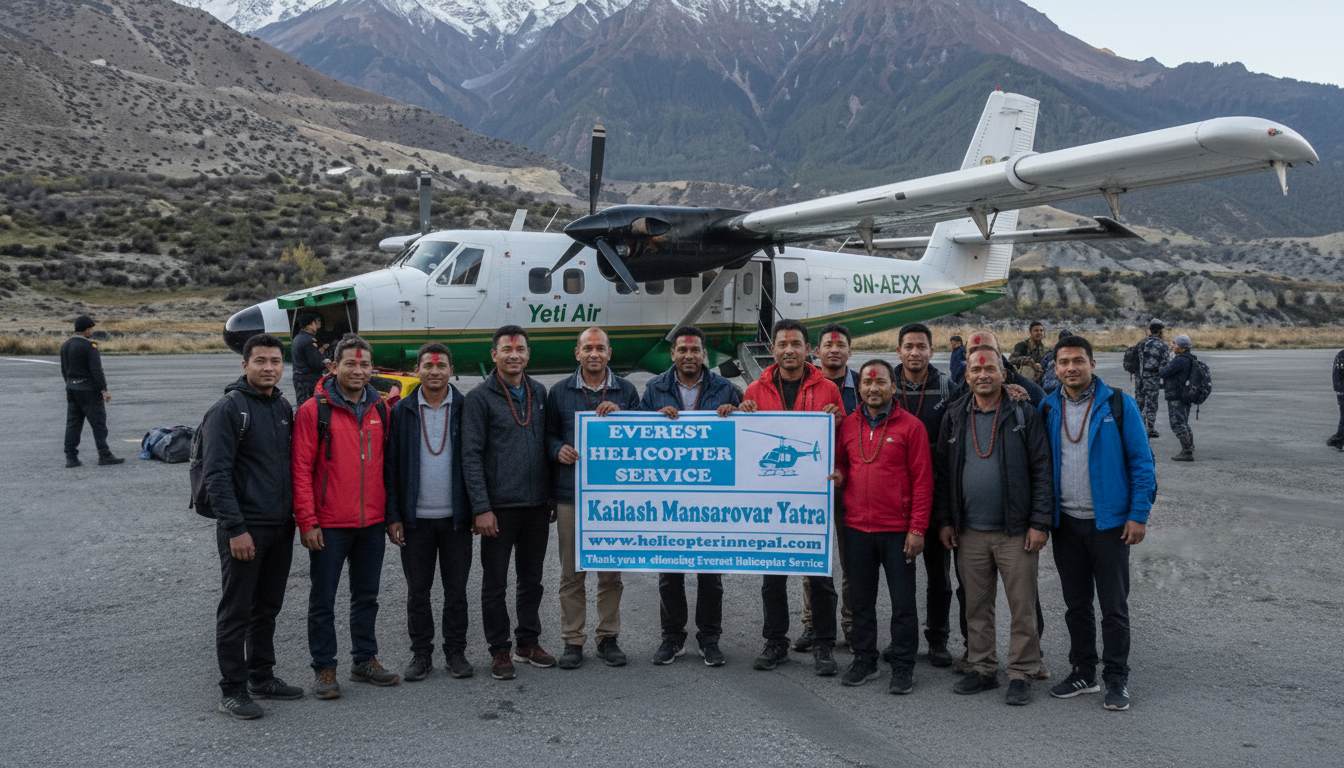
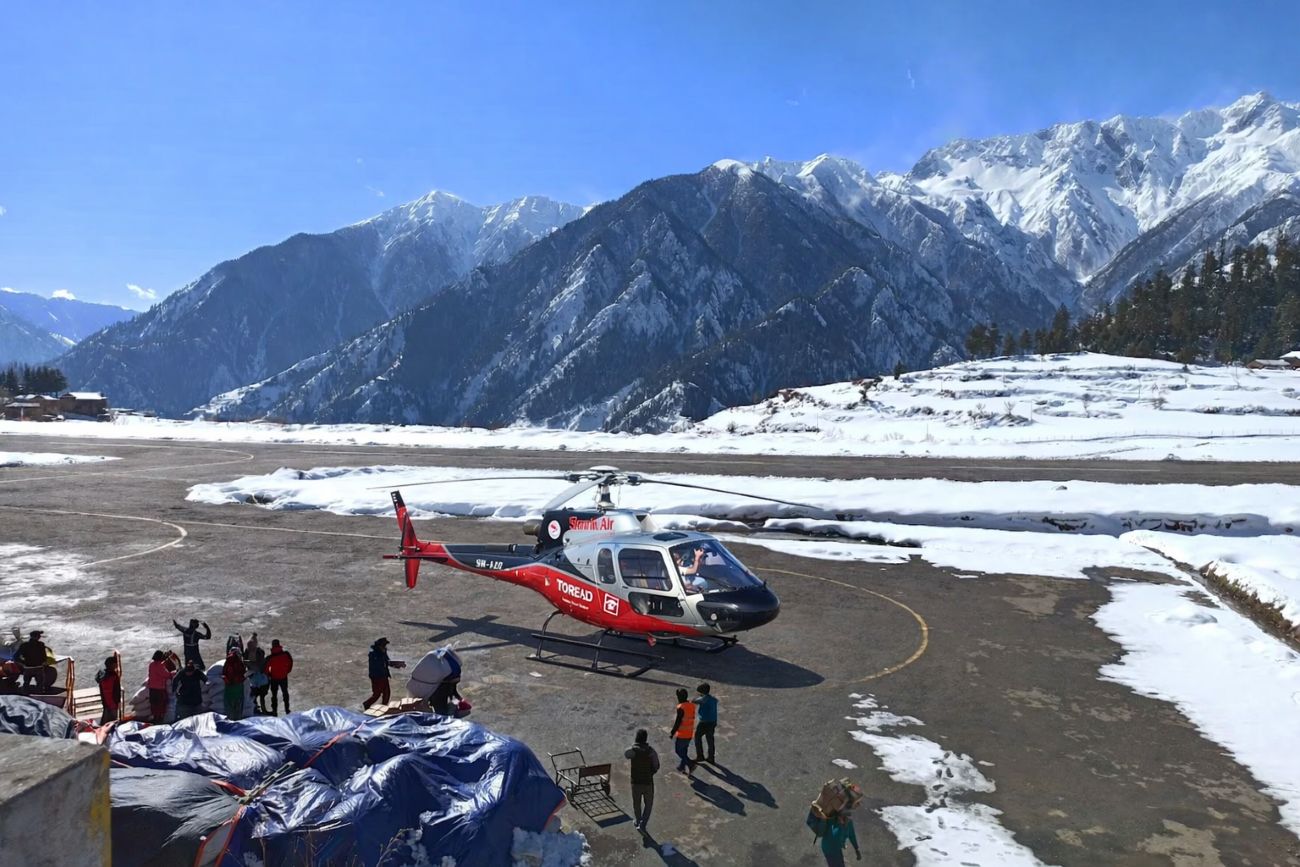
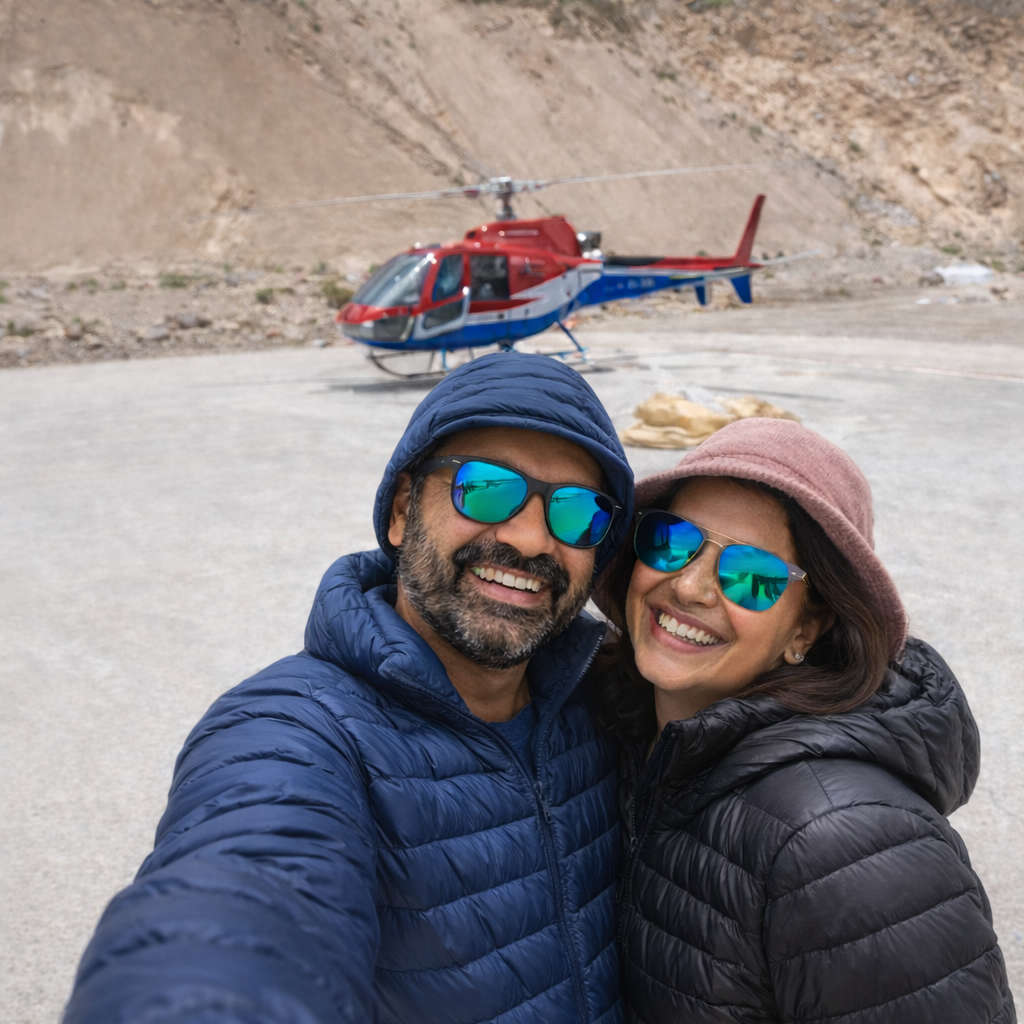
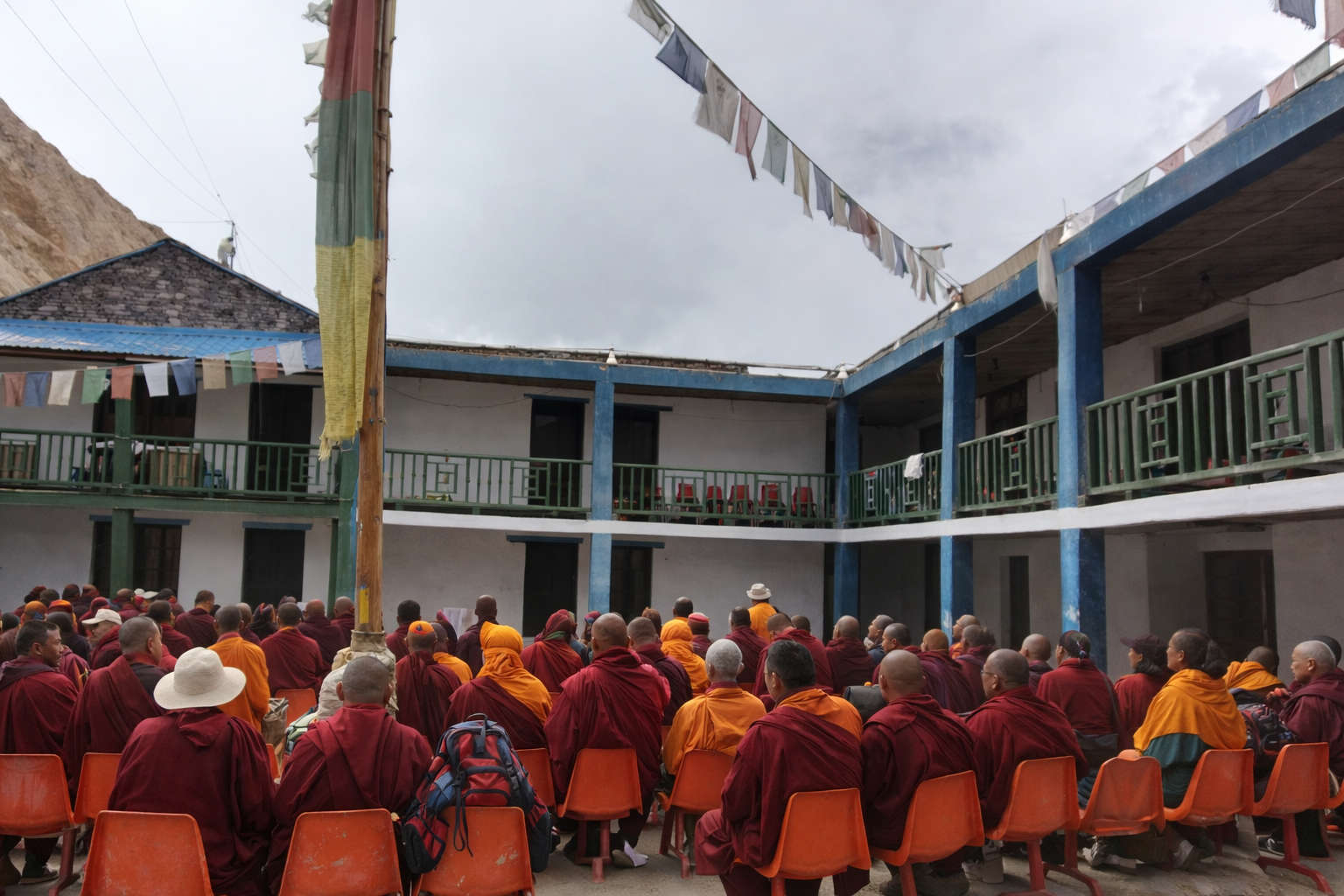



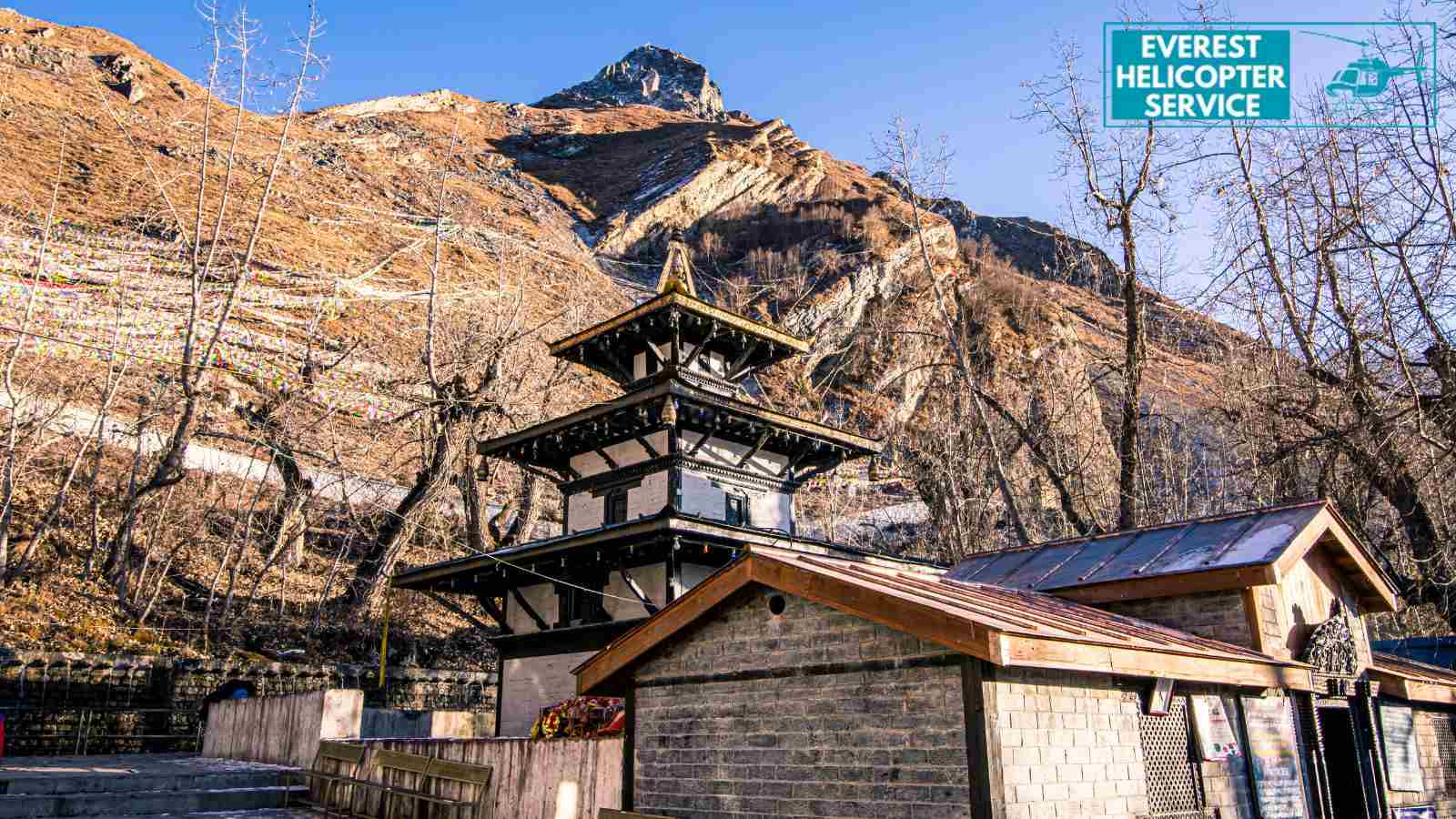
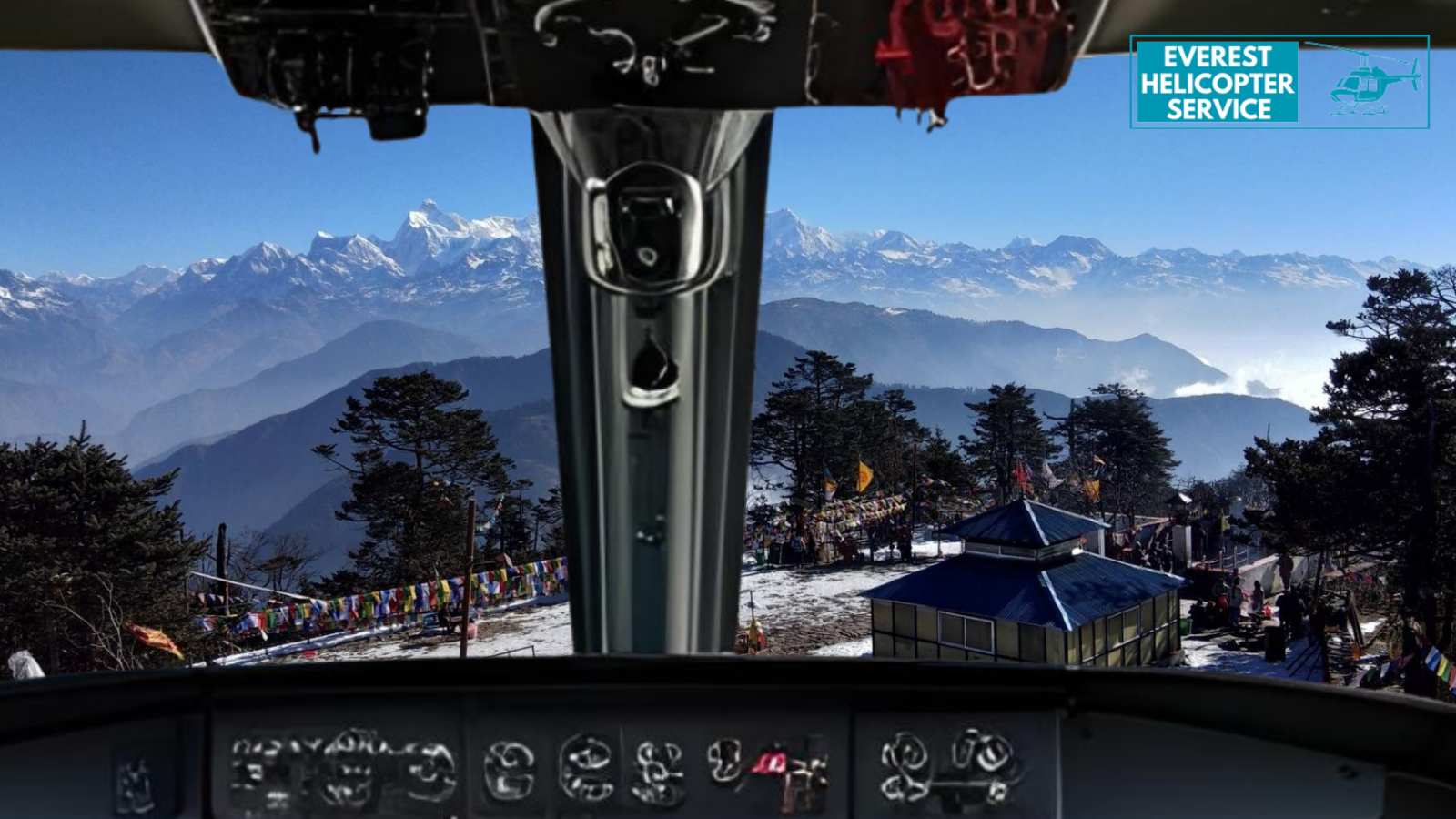
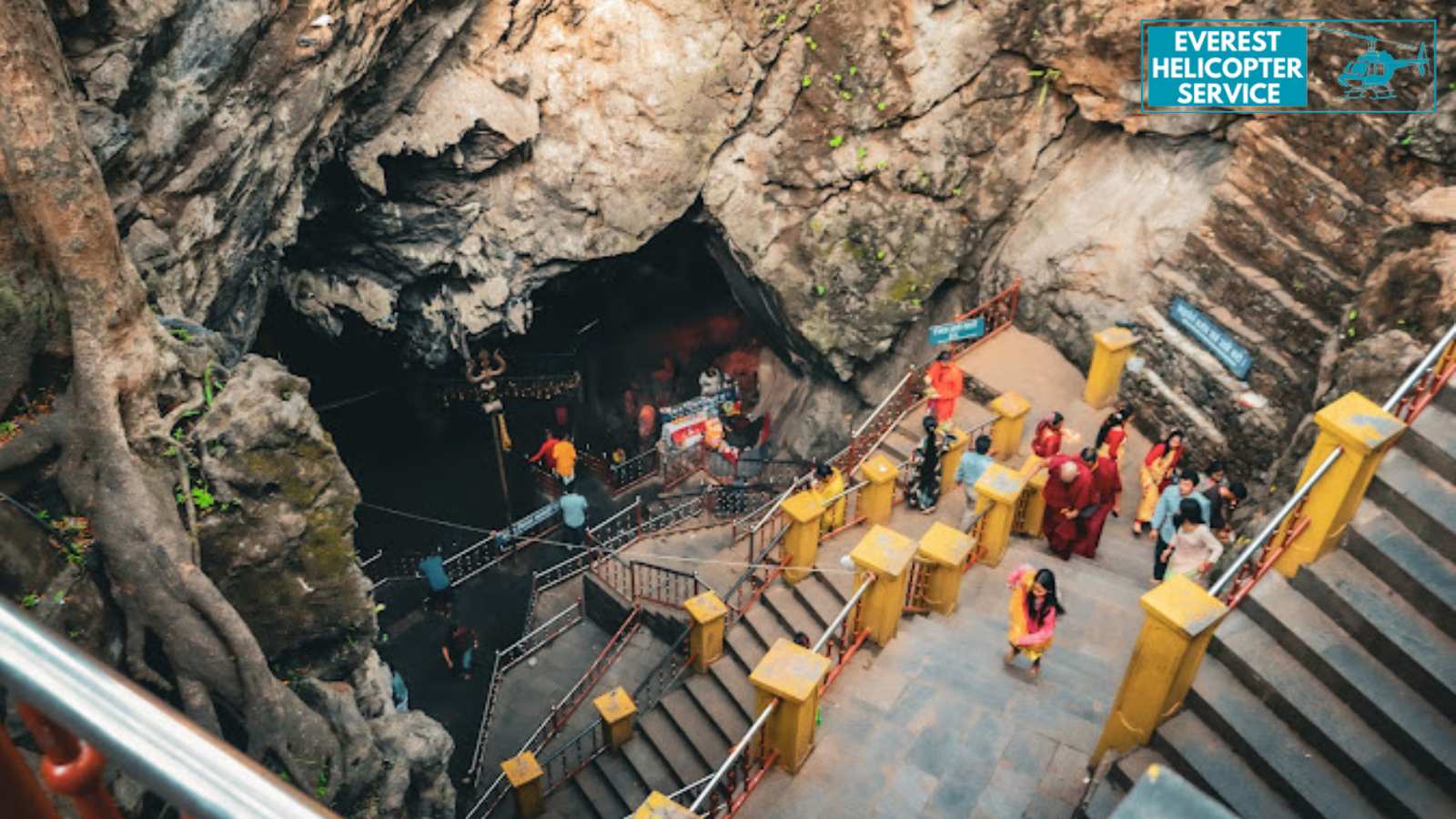
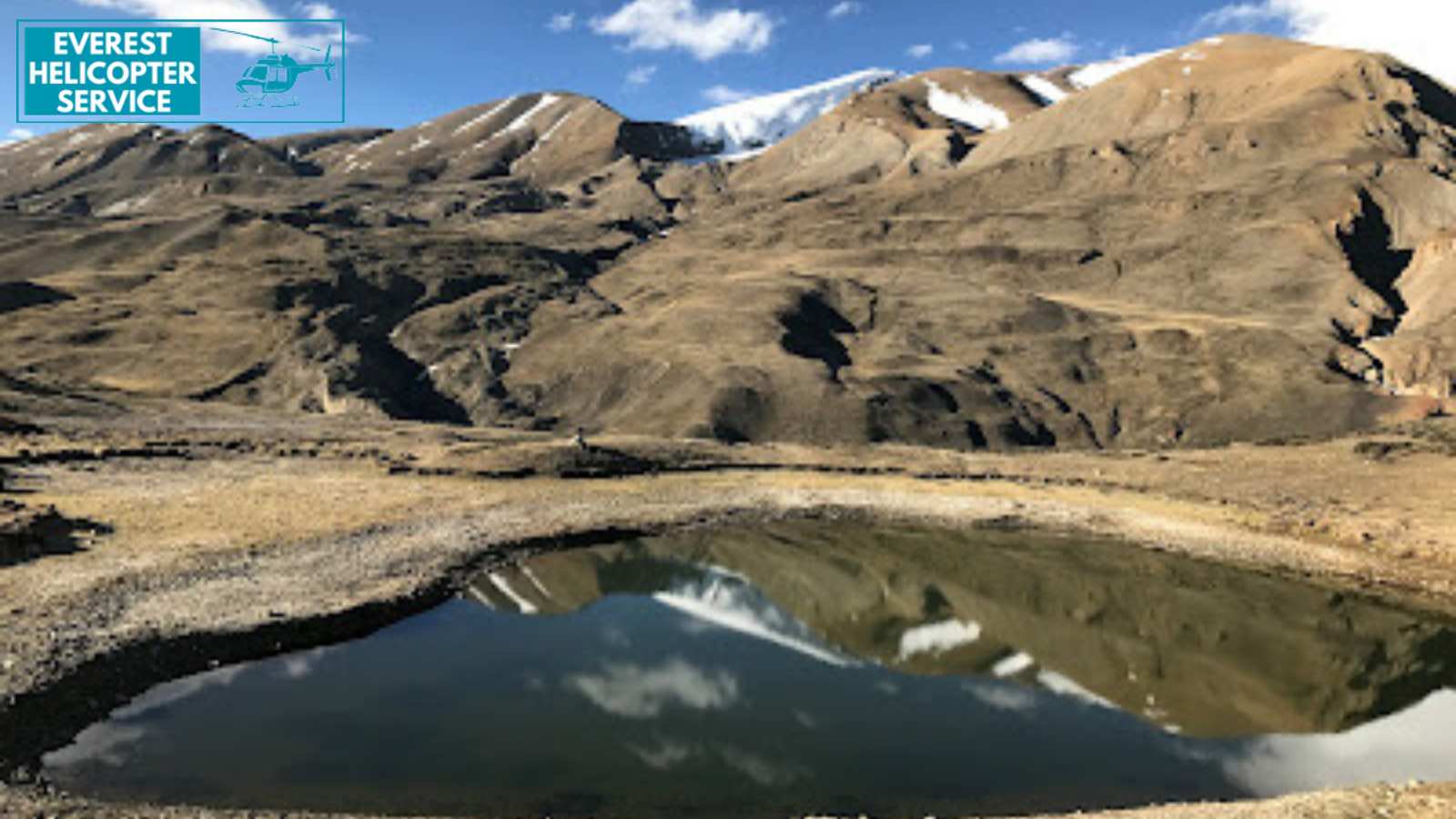
S.K. Sharma, Retired teacher, JaipurIndiaOn June, 2025
A Once-in-a-Lifetime Spiritual Journey To Mount Kailash
I Am 67 Years Old, And I Was Certain I Would Never Be Able To Do The Kailash Yatra In My Lifetime. My Son Registered Us With Everest Helicopter Service Last Year. Mr Sushil Tiwari Handled All Permits And Documents Very Well. I Needed A Pony For The Second Day Of The Kora Due To My Knee. The Guide Arranged Everything Perfectly. When I Sat At Dolma La Pass And Saw The Flags Flying, I Could Not Speak. I Just Held My Son's Hand And Wept. This Is The Greatest Thing I Have Done In My Life.
Priya Menon, software engineer, BengaluruIndiaOn July, 2025
Seamless And Divine Kailash Mansarovar Helicopter Experience
As A Working Professional, I Had Only 12 Days Of Leave. The Everest Helicopter Service Route From Kathmandu Was Perfect. Every Flight, Every Transfer, Every Meal Was Handled. I Did Not Have To Worry About A Single Logistical Thing. I Could Focus Entirely On The Spiritual Purpose Of The Journey. The Mansarovar Sunrise On Day 6 Is An Image I Carry With Me Every Single Day.
Anita and Rajesh PatelUSAOn September, 2025
An Unforgettable Pilgrimage To Kailash With Top-Class Service
My Husband And I Came From New Jersey. We Were Nervous About Altitude Sickness Because We Had No Himalayan Experience. The Everest Helicopter Service Doctor's Briefing And The Pacing Of The Itinerary Were Exactly Right. By The Time We Reached Dolma La, We Were Ready. Standing On That Pass With The Prayer Flags, Looking Down At Gauri Kund, I Understood Why People Come Here From Every Corner Of The World.