Tour Information
Payment Options and Booking Terms
We've made the Simikot Hilsa helicopter booking process straightforward and secure:
Payment Methods Accepted:
- International bank transfer (preferred for advance bookings)
- Credit/Debit cards (Visa, Mastercard, American Express)
- Cash payment in USD or Nepalese Rupees (at our Kathmandu office)
- Online payment gateway (secure encrypted transactions)
Booking and Payment Terms:
- Advance Booking Deposit: 30% of total cost required to confirm reservation
- Balance Payment: Due 7 days before flight date
- Last-Minute Bookings: Full payment required for bookings made within 7 days of flight
- Group Bookings: Custom payment schedules available for groups of 10+ passengers
Cancellation and Refund Policy:
Understanding that mountain travel involves uncertainties, we maintain a fair cancellation policy:
Passenger-Initiated Cancellations:
- 30+ days before flight: 90% refund (10% administrative fee)
- 15-29 days before flight: 75% refund
- 7-14 days before flight: 50% refund
- 3-6 days before flight: 25% refund
- Less than 3 days or no-show: No refund
Weather-Related Cancellations:
- Full refund or free rescheduling if flight cancelled due to weather
- No penalties for weather-related delays or cancellations
- Option to wait for next available weather window or receive full refund
Rescheduling Options:
- Free date change if notified 15+ days in advance (subject to availability)
- One-time free rescheduling for weather-related delays
- Rescheduling within 14 days subject to 10% administrative fee
Important Notes:
- Travel insurance with trip cancellation coverage is highly recommended
- Refunds processed within 14 business days to original payment method
- Weather conditions in the Himalayas can be unpredictable; flexibility is essential
For those wondering can I book Simikot Hilsa helicopter online, the answer is yes! Our website offers secure online booking, or you can contact our reservation team directly for personalized assistance with your helicopter booking.
How to Book Simikot to Hilsa Helicopter
Online Booking Process
Booking your helicopter from Simikot to Hilsa with Everest Helicopter Service is simple and straightforward. We've designed our booking system to be user-friendly while ensuring all necessary information is collected for a safe, compliant flight.
Step-by-Step Booking Guide:
Step 1: Check Availability
- Visit our website or contact our booking team
- Provide your preferred travel dates (with 2-3 alternative dates if possible)
- Specify number of passengers (1-5 for standard helicopters)
- Indicate if you need a private charter or are open to shared flights
Step 2: Receive Quote and Confirmation
- We'll provide current pricing based on your dates and group size
- Review the detailed quotation including all inclusions and exclusions
- Ask any questions about the service, safety, or logistics
- Receive provisional booking confirmation
Step 3: Submit Required Documents
- Passport copies of all passengers (clear, readable scans)
- Emergency contact information
- Medical information (any relevant health conditions)
- Travel insurance details (strongly recommended)
- Special requirements or requests
Step 4: Make Deposit Payment
- Pay 30% advance booking deposit through your preferred method
- Receive official booking confirmation with reference number
- Get detailed pre-flight information and preparation guidelines
Step 5: Pre-Flight Coordination
- Receive flight schedule 3-5 days before departure
- Final weather assessment 24-48 hours before flight
- Balance payment due (7 days before flight date)
- Reconfirmation call/email one day before flight
Step 6: Flight Day Procedures
- Arrive at Simikot Airport 60 minutes before scheduled departure
- Check-in with our ground staff
- Attend safety briefing
- Board helicopter and enjoy your flight!
Required Documents Checklist:
For a smooth Simikot Hilsa helicopter booking process, please have these documents ready:
Essential Documents:
- Valid passport (minimum 6 months validity from travel date)
- Nepal entry visa (can be obtained on arrival in Kathmandu)
- Passport-size photographs (2 copies)
- Emergency contact information
- Travel insurance policy (with evacuation coverage recommended)
For Kailash Mansarovar Pilgrims (Additional):
- Chinese Group Visa (arranged through authorized travel agency)
- Tibet Travel Permit
- Alien Travel Permit
- Military Area Entry Permit
- Kailash Mansarovar Entry Permit
- Medical fitness certificate
- Completed Chinese immigration forms
Note: Document requirements may change; verify current requirements with our booking team.
Booking Timeline Recommendations:
Optimal Booking Period:
- Peak Season (May-September): Book 2-3 months in advance
- Shoulder Season (April, October): Book 4-6 weeks in advance
- Off-Season (November-March): Book 2-3 weeks in advance
- Last-Minute Bookings: Possible but subject to availability
Early booking ensures:
- Better availability, especially during Kailash Yatra season
- Guaranteed space on preferred dates
- Time for proper permit processing
- Flexibility for alternative date selection
- Lower stress and better trip planning
Contact Information
Everest Helicopter Service is committed to providing exceptional customer support throughout your booking and travel experience. Our team is available to answer questions, provide guidance, and ensure your Simikot to Hilsa helicopter journey is seamless.
Main Office (Kathmandu):
📍 Address: Thamel, Kathmandu, Nepal
📞 Phone: +977-1-4517579
📱 Mobile/WhatsApp: +977-9779841953467
✉️ Email: everesthelicopterservice@gmail.com
🌐 Website:https://www.helicopterinnepal.com/simikot-to-hilsa-helicopter-flight
Operating Hours:
- Office: Sunday-Friday, 9:00 AM - 6:00 PM Nepal Time
- Emergency Hotline: 24/7 availability during flight seasons
- Email Response: Within 12-24 hours
Alternative Contact Methods:
- WhatsApp: Fast response for quick queries and booking confirmations
- Viber: Available for international clients
- WeChat: For Chinese-speaking pilgrims
- Skype: Video consultations available by appointment
Regional Offices:
- Simikot Ground Office: Available during flight seasons for on-ground support
- Kathmandu Airport Office: For urgent flight-day communications
What to Expect from Our Support Team:
- Professional, knowledgeable staff with extensive Himalayan flight experience
- Multi-lingual support (English, Hindi, Nepali, basic Mandarin)
- Detailed information about routes, weather, and logistics
- Honest assessments of flight feasibility and conditions
- 24/7 emergency support during your travel period
- Post-flight follow-up to ensure satisfaction
24/7 Support Availability:
During your travel dates and the 48 hours before your scheduled flight, our emergency hotline provides round-the-clock support for:
- Weather-related flight updates
- Schedule changes or delays
- Emergency situations
- Last-minute booking modifications
- Ground coordination issues
- Medical emergencies or evacuation needs
For those wondering can I book Simikot Hilsa helicopter online, our website features a secure booking platform, or you can contact our team directly via phone, email, or WhatsApp for personalized booking assistance.
Group Booking Options
Everest Helicopter Service specializes in group transportation for Kailash Mansarovar Yatra groups, corporate expeditions, adventure teams, and family pilgrimage journeys. We offer tailored solutions for groups of all sizes.
Benefits of Group Bookings:
Financial Advantages:
- Significant per-person cost reduction
- Negotiable rates for groups of 10+ passengers
- Volume discounts for repeat clients
- Flexible payment terms for established tour operators
Logistical Benefits:
- Coordinated departure times for entire group
- Dedicated ground staff for group management
- Simplified check-in procedures
- Group safety briefings
- Synchronized travel schedules
Customization Options:
- Flexible departure times (morning/afternoon slots)
- Multiple helicopter rotations for large groups
- Combined packages (Kathmandu-Simikot-Hilsa-return)
- Photography and videography arrangements
- Special requirements accommodation
Group Size Categories:
Small Groups (6-10 passengers):
- Two helicopter rotations or one larger aircraft
- 10% group discount
- Simplified coordination
- Suitable for family or friend groups
Medium Groups (11-25 passengers):
- Multiple helicopter rotations
- 15% group discount
- Dedicated ground coordinator
- Customized timing schedules
- Ideal for organized tour groups
Large Groups (26+ passengers):
- Custom pricing and logistics planning
- 20% or more discount (negotiable)
- Comprehensive ground support
- Priority booking and scheduling
- Perfect for major pilgrimage organizations
Special Packages for Tour Operators:
We work extensively with travel agencies, tour operators, and pilgrimage organizers:
- Seasonal Contracts: Guaranteed availability and locked-in rates for the season
- Multi-Trip Discounts: Progressive discounts for operators booking multiple departures
- Marketing Support: Co-branded materials, high-quality photographs and videos
- Dedicated Account Manager: Single point of contact for all bookings
- Credit Terms: Established operators may qualify for payment terms
- Commission Structure: Competitive commissions for confirmed bookings
Customized Itineraries:
For groups with specific needs, we create tailored helicopter solutions:
- Combined helicopter and trekking itineraries
- Scenic flight additions
- Emergency evacuation standby arrangements
- Chartered flights for unique routes
- Photography-focused flights with special routing
- Multi-destination helicopter packages
Group Booking Process:
- Initial Consultation: Discuss your group size, dates, and requirements
- Custom Proposal: Receive detailed quotation with group pricing
- Itinerary Finalization: Confirm schedule, logistics, and special needs
- Passenger List Submission: Provide details for all group members
- Documentation: Collect required documents for all passengers
- Payment Schedule: Flexible terms based on group size
- Pre-Departure Briefing: Comprehensive group orientation
- Flight Day Coordination: Dedicated staff manages all logistics
For group booking inquiries, contact our dedicated group sales team who can provide customized solutions for your specific requirements.
Best Time for Simikot to Hilsa Flight
Seasonal Guide
Choosing the best time for Simikot Hilsa flight is crucial for a safe, comfortable, and successful journey. The Himalayan region experiences distinct seasons, each presenting unique conditions that affect helicopter operations.
Peak Season (May to September)
This period represents the optimal window for the Simikot to Hilsa helicopter service, coinciding with the main Kailash Mansarovar Yatra season.
May-June (Pre-Monsoon):
- Generally stable weather with clear morning skies
- Excellent visibility for scenic mountain views
- Moderate temperatures (10-20°C in Simikot, 5-15°C in Hilsa)
- Tibet officially opens for pilgrimage season
- Occasional afternoon thunderstorms (morning flights preferred)
- High demand—booking well in advance essential
- Best for: Kailash Mansarovar pilgrims, first-time visitors
July-August (Monsoon Period):
- Monsoon affects southern Nepal but impact less severe in rain-shadow areas like Simikot
- Still operational with careful weather monitoring
- Higher cancellation rates due to cloud cover
- Afternoon flights often not possible
- Lush green landscapes
- Best for: Flexible travelers who can wait for weather windows
September (Post-Monsoon):
- Excellent weather stability returns
- Crystal-clear mountain visibility
- Comfortable temperatures
- Lower tourist volume than May-June
- Spectacular post-monsoon landscape
- Best for: Photography enthusiasts, those seeking fewer crowds
Shoulder Season (April and October)
April (Spring):
- Weather gradually improving
- Moderate pricing
- Some lingering winter conditions possible
- Rhododendron blooms in lower valleys
- Tibet may not be fully open early in the month
- Best for: Budget-conscious travelers with flexible schedules
October (Autumn):
- Outstanding weather conditions
- Exceptional clarity and visibility
- Comfortable daytime temperatures
- Nights becoming quite cold
- Tibet access may close late in the month
- Best for: Trekkers combining helicopter with walking, adventure travelers
Off-Season (November to March)
November-March (Winter):
- Extremely challenging conditions
- Heavy snowfall possible
- Sub-zero temperatures
- Many facilities closed in Simikot and Hilsa
- Tibet completely closed to foreign travelers
- Very limited or no helicopter services
- Only emergency flights typically operate
- Not Recommended for standard tourism or pilgrimage
Month-by-Month Breakdown:
| Month |
Weather |
Flight Reliability |
Demand |
Tibet Access |
Recommendation |
| January |
Very Cold, Snow |
Very Low |
Very Low |
Closed |
Not Advised |
| February |
Cold, Snow |
Very Low |
Very Low |
Closed |
Not Advised |
| March |
Cold, Improving |
Low |
Low |
Closed |
Not Recommended |
| April |
Moderate |
Moderate |
Moderate |
Opens Late Month |
Acceptable |
| May |
Good |
High |
Very High |
Open |
Excellent |
| June |
Good |
High |
Very High |
Open |
Excellent |
| July |
Monsoon Variable |
Moderate |
High |
Open |
Good with Flexibility |
| August |
Monsoon Variable |
Moderate |
High |
Open |
Good with Flexibility |
| September |
Excellent |
Very High |
High |
Open |
Excellent |
| October |
Excellent |
High |
Moderate |
Open Early Month |
Excellent |
| November |
Cold, Deteriorating |
Low |
Very Low |
Closed |
Not Recommended |
| December |
Very Cold, Snow |
Very Low |
Very Low |
Closed |
Not Advised |
Weather Conditions
Understanding weather patterns is essential for planning your helicopter from Simikot to Hilsa, as mountain weather directly impacts flight safety and scheduling.
Typical Weather Patterns:
Morning Conditions (6:00 AM - 10:00 AM):
- Generally most stable period
- Clearest visibility
- Minimal wind activity
- Lowest turbulence
- Recommended flight window
Midday Conditions (10:00 AM - 2:00 PM):
- Warming temperatures can cause thermal activity
- Cloud formation begins in valleys
- Increasing wind speeds
- Still usually acceptable for flights
- Secondary flight window
Afternoon Conditions (2:00 PM - 6:00 PM):
- Increased cloud cover, especially during monsoon
- Higher turbulence potential
- Reduced visibility in some areas
- Thunderstorm risk in summer months
- Less reliable flight window
Visibility Requirements:
For safe helicopter operations on the Simikot to Hilsa route, specific visibility minimums must be met:
- Minimum horizontal visibility: 5 kilometers
- Cloud ceiling: Minimum 1,500 feet above terrain
- No active thunderstorm cells along route
- Acceptable wind speeds: Below 30 knots at flight altitude
Our experienced pilots conduct thorough weather assessments before every flight, consulting:
- Meteorological forecasts from Nepal Civil Aviation Authority
- Satellite weather imagery
- Ground reports from Simikot and Hilsa
- Communication with other pilots in the region
- Real-time weather monitoring equipment
Backup Plans for Weather Delays:
Weather-related delays are a reality of Himalayan aviation. At Everest Helicopter Service, we have comprehensive protocols:
Same-Day Alternatives:
- Multiple departure time slots (morning and afternoon)
- Continuous weather monitoring throughout the day
- Delayed departure rather than cancellation when possible
- Real-time updates to passengers via phone/WhatsApp
Next-Day Options:
- Automatic rescheduling to next available weather window
- No rebooking fees for weather cancellations
- Priority boarding for delayed passengers
- Accommodation assistance in Simikot if needed
Extended Delay Protocols:
- Daily weather briefings for waiting passengers
- Alternative route consultations
- Full refund option if wait becomes impractical
- Coordination with onward travel arrangements
Passenger Responsibilities:
- Build buffer days into itinerary (2-3 extra days recommended)
- Maintain flexibility in schedule
- Keep communication channels open
- Follow crew instructions regarding weather decisions
- Have contingency plans for extended delays
Important Weather Considerations:
- Pilot's decision regarding flight safety is final and non-negotiable
- Weather can change rapidly in mountains—flexibility is essential
- Morning flights have historically higher success rates (85-90% vs 60-70% afternoon)
- Monsoon season (July-August) requires most flexibility with potential 1-2 day delays
Morning vs Afternoon Flights
Morning Flights (6:00 AM - 10:00 AM):
Advantages:
- Best weather stability (90% success rate during peak season)
- Clearest visibility for mountain views
- Minimal turbulence
- Cooler temperatures reduce thermal activity
- Entire day available in Hilsa for onward arrangements
- Less wind shear at altitude
Disadvantages:
- Very early check-in required (sunrise departures common)
- Cold temperatures at airport
- May need overnight in Simikot arriving day before
Afternoon Flights (12:00 PM - 4:00 PM):
Advantages:
- More comfortable departure timing
- Same-day connection possible from Kathmandu morning flights
- Warmer temperatures at airport
Disadvantages:
- Lower success rate (70% during peak season)
- Increased cloud formation potential
- Higher turbulence probability
- Less favorable for photography
- Limited time in Hilsa before evening
Recommendation: If your schedule allows, always prioritize morning flights for the highest reliability and best experience. During monsoon season (July-August), morning departures are especially critical.
Kailash Mansarovar Yatra Season
The Simikot to Kailash helicopter route is intrinsically connected to the sacred Kailash Mansarovar pilgrimage season, which dictates the peak demand and optimal timing for this flight.
Official Kailash Mansarovar Yatra Season:
Tibet typically opens to foreign pilgrims and tourists from early May through mid-October, though exact dates vary yearly based on Chinese government announcements.
Peak Pilgrimage Periods:
May-June (Primary Season):
- Highest pilgrim volume
- Full moon of Saga Dawa (especially auspicious—typically late May/early June)
- Ideal weather for Kailash parikrama (circumambulation)
- All facilities fully operational
- Book 2-3 months in advance
July-August (Secondary Season):
- Continued pilgrimage activity despite monsoon
- Tibetan plateau experiences minimal monsoon impact
- Green landscapes around Mansarovar
- Slightly less crowded than May-June
- Flexibility required due to weather
September-Early October (Tertiary Season):
- Excellent conditions return post-monsoon
- Fewer pilgrims mean quieter experience
- Crystal-clear visibility
- Comfortable temperatures for high-altitude trekking
- Recommended for those seeking tranquility
Alignment with Pilgrimage Season:
When planning your Kailash Mansarovar helicopter from Nepal journey:
-
Chinese Visa Timing: Group visas typically take 7-10 days to process. Plan your helicopter booking after visa confirmation.
-
Permit Coordination: Tibet Travel Permit, Alien Travel Permit, and other documents must be arranged through authorized Chinese travel agencies—coordinate with your tour operator.
-
Weather Windows: Align your Simikot-Hilsa flight with favorable weather forecasts, but maintain flexibility.
-
Parikrama Schedule: Most pilgrims complete the 3-day Kailash circuit. Calculate your Hilsa arrival date working backward from your intended parikrama dates.
-
Return Journey: Book return helicopter flights in advance, but maintain flexibility for delays during the outbound journey.
Festival Date Considerations:
Several sacred dates attract especially high pilgrim numbers:
-
Saga Dawa (Buddha's Birth, Enlightenment, and Parinirvana): Full moon day of the fourth Tibetan lunar month (typically late May/early June). Merit of good deeds multiplied many times—most auspicious period.
-
Guru Rinpoche Anniversary: 10th day of Tibetan lunar months, especially significant in the 5th month.
For pilgrims planning around these dates, early booking (3-4 months advance) is essential for both the Simikot Hilsa helicopter service and all other aspects of the journey.
Complete Timeline Example for Kailash Yatra:
- Day 1: Arrive Kathmandu
- Day 2: Kathmandu sightseeing, final preparations
- Day 3: Fly Kathmandu to Simikot
- Day 4: Acclimatization in Simikot (recommended)
- Day 5: Helicopter Simikot to Hilsa, cross to Tibet, drive to Taklakot/Purang
- Day 6: Drive to Mansarovar, puja and parikrama
- Day 7: Drive to Darchen (Kailash base)
- Day 8-10: Kailash Parikrama (3 days)
- Day 11: Return to Taklakot
- Day 12: Return to Hilsa, helicopter to Simikot
- Day 13: Fly Simikot to Kathmandu
- Day 14: Departure
This itinerary includes buffer days for weather delays and acclimatization—essential for a safe, successful pilgrimage.
Flight Route & Experience
Scenic Highlights
The Simikot to Hilsa helicopter flight offers one of the most spectacular aerial journeys in the Himalayas, transitioning from the deep river gorges of Nepal's far west to the high Tibetan plateau in just 20 minutes.
Departure from Simikot:
As your helicopter lifts off from Simikot Airport (2,910m), you immediately gain perspective on this remote administrative center nestled in the Karnali River valley. The town's traditional stone houses, terraced fields, and surrounding barren hills create a unique landscape reflecting the transition zone between the lush Himalayan foothills and the arid Tibetan plateau.
Karnali River Gorge:
The flight follows the spectacular Karnali River gorge northward—one of the deepest river valleys in the world. From your aerial vantage point, you'll witness:
- Dramatic Cliff Faces: Sheer rock walls rising thousands of feet on both sides
- River Patterns: The meandering turquoise-brown waters of the Karnali River far below
- Remote Villages: Tiny settlements clinging to impossible terraced hillsides
- Ancient Trade Routes: Glimpses of historic paths once used by salt traders between Nepal and Tibet
Mountain Panoramas:
The helicopter's route offers breathtaking views of numerous Himalayan peaks:
- Saipal Himal (7,031m): Dominating the southern horizon, this massive peak is the highest in the far western Himalayas
- Api (7,132m) and Nampa (6,755m): The twin peaks marking Nepal's western border
- Countless 6,000m+ peaks: Creating a spectacular white wall to the east and north
- Tibetan Plateau Peaks: As you approach Hilsa, the landscape shifts to the characteristic brown, rolling mountains of Tibet
Nara La Pass Area:
Though the helicopter doesn't cross directly over the 4,620m Nara La Pass (which trekkers must traverse), you'll fly near this significant geographical feature that marks the true transition from the Himalayan zone to the Trans-Himalayan Tibetan plateau.
Approach to Hilsa:
As you descend toward Hilsa, the landscape transforms dramatically:
- Barren Beauty: The lush terraces of Simikot give way to stark, almost lunar landscapes
- Karnali Source Region: The river becomes smaller, approaching its glacial origins
- Tibetan Influence: Architecture and landscape increasingly reflect Tibetan culture
- Border Proximity: Glimpses of the China-Nepal border infrastructure
Landing at Hilsa:
The approach to Hilsa helipad offers a bird's-eye view of this unique border settlement—prayer flags fluttering, basic guesthouses for pilgrims, and the bridge across the Karnali that marks the international boundary with Tibet.
Photography Opportunities:
For photographers, this flight is a dream:
- Morning Golden Light: East-facing slopes illuminated beautifully in morning flights
- Aerial Perspectives: Unique angles impossible to achieve from ground
- Landscape Transitions: Dramatic changes from green valleys to high desert
- Cultural Elements: Remote villages, terraced agriculture, monastery glimpses
Photography Tips:
- Sit on the left side of helicopter heading north (right side returning) for best mountain views
- Use fast shutter speeds (1/500s or faster) to counter vibration
- Shoot through open windows if offered (weather permitting)
- Wide-angle lenses (24-35mm) capture landscape drama
- Polarizing filters reduce glare from windows
Seasonal Variations:
The scenery changes dramatically with seasons:
- Spring (April-May): Snow coverage on peaks, rivers running high with meltwater
- Monsoon (July-August): Green valleys, dramatic cloud formations
- Post-Monsoon (September-October): Crystal clarity, golden autumn colors in valleys
- Winter (December-February): Maximum snow coverage, stark beauty (rarely accessible)
Passengers consistently describe this short flight as one of their journey's most memorable experiences—a perspective on the Himalayas that even seasoned trekkers rarely witness.
Technical Details
Understanding the technical aspects of your helicopter from Simikot to Hilsa helps build confidence in the safety and professionalism of the service.
Helicopter Types Used:
Everest Helicopter Service operates modern, well-maintained aircraft specifically suited for high-altitude mountain operations:
Primary Aircraft: Airbus H125 (formerly AS350 B3e):
- Passenger Capacity: 5-6 passengers (depending on weight and altitude calculations)
- Altitude Capability: Certified for operations above 20,000 feet (world record holder for highest landing)
- Engine: Single Turbomeca Arriel 2D turbine engine optimized for high altitude
- Range: 600+ kilometers
- Speed: Cruising speed approximately 140 knots (260 km/h)
- Safety Features: Advanced avionics, GPS navigation, terrain awareness system
- Why This Aircraft: Proven reliability in Himalayan conditions, exceptional high-altitude performance, spacious cabin
Alternative Aircraft: Bell 407:
- Passenger Capacity: 5-6 passengers
- Engine: Rolls-Royce 250-C47B turbine
- Features: Excellent stability, quiet operation, advanced flight control system
- Usage: Deployed based on availability and specific mission requirements
Passenger Capacity Considerations:
While helicopters are rated for 5-6 passengers, actual capacity for the Simikot-Hilsa route depends on several factors:
Weight Calculations:
High-altitude operations require careful weight management:
- Total passenger weight
- Baggage and cargo weight
- Fuel required for distance and safety margins
- Altitude and temperature (affects air density and engine performance)
- Weather conditions
Typical Configuration:
- Standard Load: 4-5 passengers with baggage (10 kg each)
- Maximum Load: 5-6 passengers with minimal baggage (favorable conditions only)
- Conservative Load: 3-4 passengers in challenging weather or extreme temperatures
Luggage Limitations:
Standard Baggage Allowance:
- Per Passenger: 10 kg (22 lbs) checked baggage
- Personal Item: One small bag (camera, documents, essentials) approximately 3 kg
- Total per passenger: 13 kg maximum under normal conditions
Excess Baggage:
- Charges: $3-5 per kilogram (if aircraft weight allows)
- Limitations: Subject to total aircraft weight restrictions
- Alternative: Excess luggage can be sent separately or left in Kathmandu/Simikot
Restricted Items:
- Flammable materials (fuel, lighters, pressurized containers)
- Weapons or sharp objects
- Lithium batteries above certain capacities (check current regulations)
- Items prohibited by Nepal/China customs
- Cameras, electronics (personal use)
- Medical equipment and medications (with documentation)
Packing Recommendations for Kailash Pilgrims:
- Use soft duffel bags (easier to load than hard suitcases)
- Keep essentials in carry-on (medications, documents, valuables)
- Wear heavier items (boots, jacket) rather than packing them
- Coordinate with group members to distribute weight efficiently
Safety Features and Certifications:
Aircraft Maintenance:
- Rigorous maintenance schedules exceeding manufacturer requirements
- Certified by Nepal Civil Aviation Authority
- Regular inspections by qualified aviation engineers
- Detailed flight logs and maintenance records
- Parts and components from authorized suppliers only
Pilot Qualifications:
- Commercial helicopter pilot license with mountain rating
- Minimum 2,000+ flight hours (our pilots typically have 5,000+ hours)
- Specific training in high-altitude mountain operations
- Intimate knowledge of Simikot-Hilsa route
- Regular proficiency checks and recurrent training
- First aid and emergency response certified
Safety Systems:
- GPS navigation with terrain awareness
- Weather radar (on equipped aircraft)
- Emergency locator transmitters
- Satellite communication systems
- Comprehensive first aid and emergency equipment
- Fire suppression systems
- Redundant critical systems
Pre-Flight Safety Protocols:
- Thorough aircraft inspection before every flight
- Weather assessment and route planning
- Weight and balance calculations
- Passenger safety briefing
- Emergency procedure review
- Communication checks with destination
In-Flight Safety:
- Continuous weather monitoring
- Regular communication with ground stations
- Adherence to established flight paths
- Turbulence avoidance procedures
- Emergency landing site identification along route
Our Safety Record:
Everest Helicopter Service maintains an exemplary safety record with:
- Zero accidents on Simikot-Hilsa route in our operational history
- 99%+ on-time performance (weather-permitting)
- Continuous safety training for all crew members
- Investment in latest technology and equipment
- Compliance with all international aviation safety standards
Passenger Comfort Features:
- Noise-canceling headsets for all passengers (communication with pilot, reduced engine noise)
- Climate control (heating in cold conditions)
- Large windows for optimal viewing
- Comfortable seating with safety harnesses
- Smooth ride (pilots trained in turbulence mitigation techniques)
For nervous flyers or those experiencing their first helicopter flight, our crew provides special attention and reassurance. The Simikot to Hilsa route is one of our most routine operations, flown hundreds of times each season with consistent safety and reliability.
Airport and Helipad Information
Simikot Airport (Departure Point):
Official Details:
- ICAO Code: VNST
- Elevation: 2,910 meters (9,547 feet) above sea level
- Runway: 527 meters long, unpaved (gravel/dirt)
- Location: Simikot, Humla District, Karnali Province, Nepal
- Coordinates: 29.9711° N, 81.8189° E
Airport Facilities:
Simikot Airport is a basic but functional facility serving this remote region:
Terminal Building:
- Small terminal with basic waiting area
- Check-in counter
- Limited seating
- No air conditioning or heating
- Basic toilet facilities
- Small tea shop (irregular hours)
Services:
- Check-in and boarding procedures
- Basic security screening
- Weather monitoring station
- No refueling facilities for large aircraft (helicopters can refuel)
- No radar or advanced navigation aids
- No scheduled commercial maintenance facilities
Important Notes for Passengers:
- Arrive at least 60 minutes before scheduled departure
- Facilities are very basic—use restrooms at your hotel beforehand if possible
- Bring water and snacks (limited availability at airport)
- Dress warmly—waiting areas are not heated
- Phone charging limited—bring portable chargers
- No WiFi or reliable internet
Helicopter Operations Area:
- Designated helipad adjacent to runway
- Ground crew for passenger assistance
- Baggage handling area
- Fuel storage for helicopter refueling
Ground Transportation:
- Airport is walking distance (5-10 minutes) from Simikot town center
- No taxis—walking or prearranged pickup only
- Porter services available for luggage
Accommodation Near Simikot Airport:
Several basic guesthouses serve pilgrims and travelers:
- Walking distance from airport (5-15 minutes)
- Basic rooms with shared bathrooms (some with attached bath)
- Simple Nepali/Tibetan meals available
- Advance booking recommended during peak season
- $10-30 per night typical range
Hilsa Helipad (Arrival Point):
Location Details:
- Elevation: Approximately 3,700 meters (12,139 feet)
- Location: Hilsa village, Nepal-China border
- Setting: Open area near village center
- Distance to Border: Approximately 1-2 km to China border bridge
Helipad Characteristics:
Unlike Simikot's formal airport, Hilsa has a designated helicopter landing zone:
- Unpaved landing area (compacted earth/gravel)
- Prayer flags marking boundaries
- Basic shelter structure for waiting passengers
- No formal terminal or facilities
- Ground staff during operating season
Facilities in Hilsa:
Hilsa is an extremely basic border settlement:
Accommodation:
- 3-4 very basic guesthouses
- Simple rooms, mostly shared bathrooms
- Basic bedding provided
- No electricity in many facilities (some generators)
- Cold water only
- $5-15 per night
Food:
- Simple Nepali/Tibetan meals (dal bhat, noodles, momos)
- Limited menu
- Tea houses operating during pilgrimage season
- Bring supplementary snacks recommended
Services:
- No banking, ATM, or money exchange
- No medical facilities
- No internet or phone connectivity (mostly)
- Small shops selling basic supplies
- Yak and porter services for trekkers
Border Crossing Infrastructure:
- Nepal immigration post (stamping passports)
- Walking distance to China border (1-2 km)
- Bridge crossing the Karnali River into Tibet
- Chinese immigration and customs on Tibet side
Ground Transportation from Hilsa:
To Tibet (For Kailash Pilgrims):
- Walk or hire porter/yak to carry luggage to border bridge (1-2 km)
- Cross bridge into China
- Chinese vehicles waiting on Tibet side
- Drive to Taklakot/Purang (first town in Tibet, about 30-45 minutes)
Onward Journey Tips:
- Arrange Tibet-side transportation in advance through your tour operator
- Chinese drivers not permitted to cross into Nepal (and vice versa)
- Border crossing formalities can take 1-2 hours
- Keep all documents easily accessible
Altitude Considerations:
Simikot (2,910m):
- Moderate altitude—most people tolerate well
- Acclimatization day recommended before flying to higher elevation
- Symptoms like mild headache possible but usually manageable
Hilsa (3,700m):
- Higher altitude—acclimatization becomes important
- Take it easy upon arrival
- Stay hydrated
- Avoid alcohol
- Watch for altitude sickness symptoms (severe headache, nausea, dizziness)
From Hilsa, the journey continues higher:
- Taklakot/Purang: 3,900m
- Mansarovar: 4,590m
- Darchen (Kailash base): 4,575m
- Dolma La Pass (Kailash circuit): 5,630m
Gradual ascent from Simikot → Hilsa → Taklakot → Mansarovar provides better acclimatization than flying directly from Kathmandu to Tibet.
Emergency Protocols at Both Locations:
Medical Emergencies:
- Helicopter evacuation available (weather permitting)
- Satellite phone communication for emergencies
- Basic first aid from helicopter crew
- Nearest hospitals: Nepalgunj (several hours by air from Simikot)
Weather Delays:
- Basic accommodation available at both locations
- Stay in communication with helicopter service
- Maintain flexibility in schedule
- Emergency supplies recommended (water, snacks, warm clothing)
Understanding the basic nature of both Simikot Airport and Hilsa helipad helps set realistic expectations. These are remote, frontier facilities serving one of the most isolated regions of the Himalayas. The lack of modern amenities is part of the adventure, and proper preparation ensures a smooth experience.
Connection to Kailash Mansarovar Yatra
Simikot to Purang/Taklakot Route
For the vast majority of passengers on the Simikot to Hilsa helicopter, the flight represents one crucial segment of the larger sacred journey to Mount Kailash and Lake Mansarovar. Understanding the complete route helps in comprehensive trip planning.
The Complete Nepal Route to Kailash:
Stage 1: Kathmandu to Simikot
- Flight Duration: 1-1.5 hours (weather dependent)
- Daily Flights: Available during season (May-October)
- Aircraft: Small twin-engine planes (18-20 seats)
- Cost: $200-300 per person
- Tip: Book both Kathmandu-Simikot and Simikot-Hilsa helicopters through one operator for better coordination
Stage 2: Simikot to Hilsa (Your Helicopter Flight)
- Duration: 20 minutes
- Covered in detail throughout this guide
Stage 3: Hilsa Border Crossing
- Process: Walk or porter/yak transport to border bridge (1-2 km)
- Nepal Exit: Nepal immigration stamp
- Bridge Crossing: International border over Karnali River
- China Entry: Chinese immigration and customs
- Duration: 1-3 hours (depending on procedures and group size)
- Requirements: Valid passport, Chinese group visa, Tibet permits
Stage 4: Hilsa to Purang/Taklakot (Tibet)
- Distance: Approximately 25-30 km
- Duration: 30-45 minutes by vehicle
- Road Conditions: Paved Chinese road (generally good condition)
- Elevation: Ascend from 3,700m (Hilsa) to 3,900m (Purang)
- Transport: Arranged by Chinese travel agency (mandatory)
Purang/Taklakot:
This is the first significant town in Tibet and serves as an acclimatization and administrative stop:
Functions:
- Overnight accommodation (hotels better than Hilsa)
- Final permit checks by Chinese authorities
- Acclimatization (crucial before going higher)
- Vehicle arrangements for onward journey
- Supply shopping opportunity
- Medical facilities available
Typically 1-2 nights stay recommended
Stage 5: Purang to Mansarovar
- Distance: Approximately 210 km
- Duration: 5-7 hours drive
- Route: Via Barkha and Chiu Monastery
- Elevation: Ascend to 4,590m at Lake Mansarovar
- Highlights: First views of Kailash (weather permitting), stunning Tibetan plateau landscape
Mansarovar Experience:
- Sacred lake circumambulation (parikrama)
- Holy bath (for those who wish)
- Puja and prayers
- Overnight in guesthouse/tented camp
- Spectacular views of Gurla Mandhata (7,728m)
Stage 6: Mansarovar to Darchen
- Distance: Approximately 40 km
- Duration: 1-1.5 hours
- Elevation: Darchen at 4,575m
- Purpose: Base for Kailash Parikrama
Kailash Parikrama (Circumambulation):
- 3-day trek around Mount Kailash (52 km)
- Sacred for Hindus, Buddhists, Jains, and Bon followers
- Crossing Dolma La Pass (5,630m)—the highest and most challenging point
- Most spiritually significant part of journey
Return Journey:
Same route in reverse: Darchen → Mansarovar → Purang → Hilsa → Simikot → Kathmandu
Border Crossing Procedures (Nepal-Tibet):
Nepal Side (Hilsa):
- Arrive at Nepal immigration post
- Present passport and Chinese visa
- Exit stamp in passport
- Proceed to border bridge
No Man's Land (Bridge):
- Photography restricted
- Keep group together
- Don't stop or delay
China Side:
-
Immigration Hall:
- Present passport with Chinese group visa
- Individual processing (can take time)
- Health declaration form
- Customs declaration
-
Baggage Check:
- X-ray screening of all luggage
- Prohibited items: political materials, religious texts (some), weapons
- Photography equipment usually allowed
-
Final Clearance:
- Board Chinese vehicles
- Proceed to Purang
Important Border Crossing Notes:
- Keep passport and documents easily accessible
- Follow tour leader's instructions precisely
- Respect Chinese officials (no arguments or debates)
- Photography prohibited in immigration areas
- No independent border crossing—must be with registered tour group
- Mobile phones: Nepal SIM cards won't work in Tibet (Chinese SIM available in Purang)
Simikot to Purang Helicopter (Alternative):
Some operators offer direct helicopter flights from Simikot to Purang, overflying Hilsa:
Advantages:
- Saves time (no Hilsa stop or border crossing walk)
- Direct delivery to Purang
- Spectacular extended aerial views
Disadvantages:
- More expensive
- International flight complications (permissions more complex)
- Less flexible scheduling
- Immigration procedures can be complex
Most common route remains: Simikot → Hilsa (helicopter) → Border crossing (walk) → Purang (vehicle)
Booking Process for Complete Packages:
- Initial Inquiry: Contact with travel dates and group size
- Customization: Discussion of specific needs and preferences
- Itinerary Proposal: Detailed day-by-day plan
- Quotation: Comprehensive pricing breakdown
- Booking Confirmation: 30% advance deposit
- Document Collection: Passport copies for permit processing
- Visa Processing: Chinese group visa arrangement (7-10 days)
- Pre-Departure Briefing: Detailed preparation meeting (in-person or video)
- Balance Payment: 15-20 days before departure
- Final Details: Flight confirmations, emergency contacts, last-minute questions
- Departure: Meet in Kathmandu, journey begins!
Medical and Fitness Requirements:
Essential Health Criteria:
- General good health
- Ability to walk 5-7 hours per day during Kailash parikrama
- No serious heart conditions
- No severe respiratory issues
- Blood pressure controlled
- No recent surgeries (minimum 6 months recovery)
Recommended:
- Medical check-up before departure
- Doctor's fitness certificate
- Discussion with physician about high-altitude travel
- Altitude sickness medication (Diamox) consultation
Not Recommended For:
- Pregnant women
- Severe heart disease patients
- Recent stroke victims
- Serious lung conditions (COPD, asthma in severe form)
- Children under 12 (due to altitude challenges)
Age Considerations:
- Lower Limit: Typically 12+ years (with parental assessment)
- Upper Limit: No strict limit if medically fit (pilgrims in 70s and 80s have completed successfully)
- Sweet Spot: 25-65 years old typically have easiest time physically
What Makes Our Packages Special:
Experience:
- 15+ years organizing Kailash Mansarovar Yatras
- Hundreds of successful pilgrimages
- Deep relationships with Tibetan authorities and service providers
- Intimate knowledge of every aspect of the journey
Safety:
- Experienced guides with wilderness first aid training
- Emergency evacuation protocols
- Satellite communication throughout journey
- Medical oxygen available
- Insurance coordination assistance
Spiritual Support:
- Understanding of Hindu pilgrimage traditions
- Coordination with priests for pujas (if desired)
- Respectful approach to sacred sites
- Knowledge of significance of each location
Logistical Excellence:
- Seamless coordination across multiple regions and countries
- Backup plans for weather and other contingencies
- Quality control of all service providers
- 24/7 support during your journey
Group Dynamics:
- Careful group composition
- Pre-departure meetings for group bonding
- Experienced tour leaders who foster positive group environment
- Size limitations for better experience
Important Information & Requirements
Travel Documents Needed
Proper documentation is absolutely critical for the Simikot to Hilsa helicopter flight and subsequent journey into Tibet. Missing or incorrect documents can result in denied boarding or border crossing complications.
For Helicopter Flight (Simikot to Hilsa):
Mandatory Documents:
For Kailash Mansarovar Pilgrims (Additional Documents):
Chinese Visa and Permits
Required for Chinese Visa:
- Important: Individual tourist visas NOT valid for Tibet
- Must obtain special Group Visa through authorized Chinese travel agency
- Processing time: 7-10 days
- Valid only for specific entry/exit dates
- Cannot be extended
- Entire group enters/exits together
- Passport (submitted to agency)
- Completed application form
- Passport photographs
- Tour booking confirmation
- Detailed itinerary
-
Tibet Travel Permit (TTP):
- Mandatory for all foreign travelers to Tibet
- Arranged by Chinese travel agency
- Shows permitted areas and dates
- Must carry original at all times in Tibet
- Subject to checks at various points
-
Alien Travel Permit:
- Required for areas outside Lhasa
- Kailash-Mansarovar region requires this
- Arranged by travel agency
- Specifies exact route and destinations
-
Military Area Entry Permit:
- Tibet has restricted military zones
- Kailash area requires this permit
- Arranged through travel agency with local authorities
-
Kailash Mansarovar Entry Permit:
- Specific permit for Mount Kailash region
- Issued by local Tibet authorities
- Arranged by travel agency
- Contains photograph and personal details
Medical Documentation:
Emergency and Contact Information:
Financial Documentation:
- Proof of Funds:
- Credit cards
- Some cash (USD or Nepali Rupees for Nepal; Chinese Yuan for Tibet)
- ATM cards (limited use in remote areas)
Document Organization Tips:
Create a Document Folder:
- Waterproof plastic folder or zip-lock bags
- Organized sections for each type of document
- Original documents in one section, copies in another
Make Copies:
- Photocopy all documents (2 sets)
- Digital scans saved to cloud storage and phone
- Leave one copy with family/friend at home
- Keep one copy separate from originals while traveling
Accessibility:
- Keep passport and permits easily accessible (not in checked baggage)
- Have documents ready at airport check-in, helicopter boarding, border crossing
- Keep digital copies on phone for quick reference
Important Notes:
Indian Nationals - Special Considerations:
- No Nepal visa required
- Chinese visa requirements same as other nationals for Tibet
- Border procedures generally smoother
- Language often less of a barrier
Document Processing Timeline:
Start document preparation at least 60 days before travel:
- 60 days before: Begin gathering documents, passport checks
- 45 days before: Submit for Chinese visa processing
- 30 days before: Receive Chinese visa and Tibet permits
- 15 days before: Final document verification
- 7 days before: Emergency replacement time if issues arise
Common Document Issues to Avoid:
Passport Problems:
- Expired or nearly expired passport
- Damaged passport (torn pages, water damage)
- Insufficient blank pages
- Name discrepancies (vs. booking name)
Visa Issues:
- Wrong type of Chinese visa (individual tourist visa won't work)
- Expired visa
- Dates not matching travel dates
- Processing delays due to late application
Permit Problems:
- Missing any of the multiple required permits
- Incorrect names or spellings
- Dates not covering entire journey
- Not carrying original permits (copies not accepted)
Emergency Document Assistance:
If you lose documents during travel:
- Report to local police immediately (for passport)
- Contact your embassy (for passport replacement)
- Contact Everest Helicopter Service (we can assist with local procedures)
- Contact travel insurance (may cover associated costs)
- Have digital copies readily available to speed replacement
For any questions about document requirements, contact our team well in advance of your travel dates. Requirements can change, and we stay updated on current regulations to ensure your journey proceeds smoothly.
Health & Safety Considerations
The Simikot to Hilsa helicopter flight and subsequent Kailash Mansarovar journey involve significant altitude exposure, requiring careful health preparation and awareness.
Altitude Sickness Prevention:
Understanding Altitude Sickness (Acute Mountain Sickness - AMS):
Altitude sickness occurs when you ascend to high altitude too quickly, preventing your body from adapting to reduced oxygen levels.
Symptoms:
- Mild: Headache, fatigue, nausea, dizziness, loss of appetite, difficulty sleeping
- Moderate: Severe headache not relieved by medication, vomiting, weakness, shortness of breath
- Severe (HAPE/HACE): Extreme breathlessness, confusion, inability to walk straight, coughing pink frothy fluid (life-threatening—immediate descent essential)
Altitude Profile of Journey:
- Kathmandu: 1,400m (comfortable)
- Simikot: 2,910m (moderate—acclimatization recommended)
- Hilsa: 3,700m (higher—take it easy)
- Purang: 3,900m (acclimatization stop)
- Mansarovar: 4,590m (high—altitude effects common)
- Darchen: 4,575m (high)
- Dolma La Pass: 5,630m (very high—most challenging)
Prevention Strategies:
When to Descend:
- Symptoms worsening despite rest and medication
- Severe headache not relieved by medication
- Vomiting
- Confusion or altered mental state
- Difficulty breathing at rest
- Inability to walk straight line
Medical Fitness Requirements:
Pre-Existing Conditions - Exercise Caution:
Heart Conditions:
- Controlled heart disease: Discuss with cardiologist (may be possible with clearance)
- Uncontrolled heart problems: Not recommended
- Recent heart surgery: Wait at least 12 months, get clearance
- High blood pressure: Must be well-controlled with medication
Respiratory Issues:
- Controlled asthma: Usually manageable (bring inhalers, discuss with doctor)
- COPD: Generally not recommended
- Recent pneumonia: Wait full recovery plus 2-3 months
Other Conditions:
- Diabetes: Can travel if well-controlled (monitor carefully)
- Pregnancy: Not recommended
- Recent surgery: Minimum 6 months recovery
- Severe anemia: Treat before travel
Recommended Pre-Travel Actions:
Emergency Protocols:
On Helicopter:
- Pilot trained in recognizing medical emergencies
- First aid kit aboard
- Oxygen available (if needed)
- Communication with ground medical support
- Can divert if passenger medical emergency
In Remote Areas:
- Guides trained in wilderness first aid
- Group carries comprehensive medical kit
- Satellite phone for emergency communication
- Emergency evacuation helicopter on standby (weather permitting)
- Nearest hospitals: Nepalgunj (Nepal), Kashgar (China) - both several hours away
Emergency Evacuation:
- Helicopter evacuation from most locations (if weather allows)
- Cost: $5,000-15,000 depending on location and distance
- Travel insurance should cover (verify policy)
- Ground evacuation alternative if weather prohibits flying
Our Safety Measures:
Pre-Flight:
- Medical questionnaire for all passengers
- Identification of high-risk individuals
- Extra attention and monitoring throughout journey
- Option to decline service if deemed unsafe
During Journey:
- Experienced guides monitoring all participants
- Regular health checks at high altitude
- Pulse oximeter readings (blood oxygen levels)
- Immediate response to any concerns
- Conservative decision-making (safety over schedule)
Medical Kit Contents (What We Carry):
- Oxygen cylinders and masks
- Pulse oximeters
- Blood pressure monitor
- First aid supplies (bandages, antiseptics, etc.)
- Altitude sickness medications
- Pain relievers
- Anti-nausea medications
- Antibiotics
- Diarrhea medications
- Thermometer
- Emergency medications for heart and respiratory emergencies
What You Should Carry Personally:
- Prescription medications (in original packaging)
- Diamox (if prescribed)
- Pain relievers (ibuprofen, acetaminophen)
- Anti-diarrheal medication
- Throat lozenges (dry air causes sore throats)
- Lip balm and moisturizer (extreme dryness)
- Sunscreen (high SPF—UV intense at altitude)
- Personal medical supplies
- Small first aid kit
- Hand sanitizer and wet wipes
Is the Flight Safe for Elderly Pilgrims?
Many elderly pilgrims successfully complete the Kailash Mansarovar Yatra, including the helicopter flight:
Advantages for Elderly:
- Helicopter eliminates strenuous 2-3 day trek to Hilsa
- Saves energy for Kailash parikrama
- Reduces physical strain
- Shorter exposure to altitude transition
Considerations:
- Medical clearance more important
- May need extra acclimatization days
- Porter/yak assistance for luggage carrying
- Slower pace accepted and accommodated
- More frequent rest stops
Age is less important than overall fitness and health status. We've had successful pilgrims in their 70s and 80s who were medically fit and well-prepared.
Final Health Advice:
The Simikot to Hilsa helicopter flight and Kailash Mansarovar journey are achievable for most reasonably healthy individuals with proper preparation. Key factors for success:
- Honest assessment of your health
- Proper medical consultation and clearance
- Gradual acclimatization (don't skip rest days)
- Listen to your body
- Don't hesitate to speak up if feeling unwell
- Trust your guides' recommendations
- Remember: Kailash will always be there—your health and safety come first
The mountain rewards patience, respect, and proper preparation. With careful planning and attention to health, your journey can be safe, comfortable, and spiritually fulfilling.
Luggage & Baggage Policy
Understanding baggage restrictions for the Simikot to Hilsa helicopter is essential for smooth travel, as weight limitations on high-altitude helicopter flights are strictly enforced for safety reasons.
Weight Restrictions Per Passenger:
Standard Allowance:
- Checked Baggage: 10 kg (22 lbs) per person
- Hand Carry: 3 kg (6.6 lbs) - small daypack or bag
- Total: 13 kg (28.6 lbs) per passenger
Why Such Strict Limits?
High-altitude helicopter operations face unique challenges:
- Thin Air: Reduced air density at 3,000-4,000m significantly affects lift capacity
- Engine Performance: Less oxygen means reduced engine power
- Safety Margins: Must maintain ability to climb in emergency
- Variable Conditions: Temperature and weather affect performance
Exceeding weight limits compromises safety—these aren't arbitrary rules but aviation necessities.
Excess Baggage Policy:
If You Have Extra Weight:
- Charge: $3-5 per kilogram above allowance
- Condition: Only if total aircraft weight permits
- Not Guaranteed: May need to send via alternative transport if helicopter at capacity
- Payment: Cash (USD or NPR) at check-in
When Excess Not Possible:
- High temperature (reduces lift)
- Poor weather (requires fuel reserves)
- Full passenger load
- High winds
Alternatives for Excess Baggage:
- Leave in Kathmandu hotel storage (free with most hotels)
- Send to Simikot in advance via cargo flight (arrange 2-3 days ahead)
- Porter/mule service from Simikot to Hilsa (for trekkers' excess gear)
- Leave in Simikot and collect on return
What to Pack (For Kailash Mansarovar Pilgrims):
Clothing (7-8 kg budget):
Layering System:
- Base layer: 2-3 thermal underwear sets (top & bottom)
- Mid layer: Fleece or down jacket
- Outer layer: Waterproof, windproof jacket and pants
- Trekking pants: 2 pairs (quick-dry material)
- T-shirts: 3-4 (moisture-wicking)
- Warm hat/beanie
- Sun hat/cap with brim
- Gloves: 2 pairs (one light, one insulated)
- Socks: 4-5 pairs (wool or synthetic—no cotton)
- Undergarments: 5-6 sets
- Down vest or jacket (for evenings)
Footwear (Wear, Don't Pack):
- Sturdy trekking boots (broken in before trip!)
- Camp shoes/sandals (for evenings)
Personal Items (2-3 kg):
- Toiletries (small sizes, basics only)
- Sunscreen (SPF 50+)
- Lip balm
- Moisturizer
- Wet wipes (showers limited)
- Hand sanitizer
- Toilet paper (facilities basic)
- Medications (personal prescriptions)
- First aid kit (basic personal supplies)
- Towel (quick-dry, compact)
Gear (1-2 kg):
- Sleeping bag liner (guesthouses provide blankets but liner adds warmth and hygiene)
- Water bottle (1-2 liters capacity)
- Headlamp/flashlight (with extra batteries)
- Trekking poles (collapsible—for Kailash parikrama)
- Daypack (20-30 liters—for carrying essentials during day)
- Sunglasses (UV protection essential—Category 4 for glacier/snow)
- Camera and accessories (if bringing)
- Phone and charger
- Power bank (electricity limited)
- Universal adapter
- Zip-lock bags (protect electronics from dust)
Documents & Money:
- Passport and permits (in waterproof pouch)
- Cash (USD, NPR, some Chinese Yuan)
- Credit card (limited use but good backup)
- Passport photos (extras)
- Travel insurance documents
Spiritual Items (If Desired):
- Small religious texts
- Prayer beads/mala
- Small puja items
- Offerings for Lake Mansarovar
Prohibited Items:
Cannot Bring on Helicopter:
- Flammable items (fuel canisters, lighters in checked baggage, fireworks)
- Sharp objects (large knives—small pocket knife usually OK in checked bag)
- Weapons of any kind
- Pressurized containers above certain size
- Lithium batteries above 160Wh (check regulations for camera batteries)
Cannot Bring Into Tibet:
- Political materials (books, posters, etc. critical of Chinese government)
- Certain religious materials (Dalai Lama photos, some Tibetan Buddhist texts)
- Weapons
- Drones (permits required, generally not granted for tourists)
- Professional camera/video equipment without permits
- Some medications (narcotics—carry prescription if needed)
Packing Strategy - Meeting Weight Limits:
1. Ruthless Editing:
- Lay out everything you think you need
- Remove half
- Do you really need 3 of those? One is probably enough
- Wear heaviest items (boots, jacket) rather than packing
2. Lightweight Options:
- Choose lightest versions of items
- Microfiber towels (not regular towels)
- Travel-size toiletries
- Soft duffel bags (not hard suitcases—lighter and more flexible)
3. Multi-Purpose Items:
- Sarong/scarf (blanket, pillow, sun protection, modesty cover)
- Bandana (face protection, sweat band, small towel)
4. Share with Travel Partners:
- One person carries sunscreen, another carries first aid, etc.
- Coordinate to avoid duplication
5. Compression:
- Compression bags for clothing (reduces volume, not weight)
- Roll clothes tightly
- Fill empty spaces (stuff socks inside shoes)
6. Weigh Before You Go:
- Use bathroom scale at home
- Adjust before airport (easier than at check-in)
- Factor in clothes you'll wear (those don't count toward limit)
Luggage Type Recommendations:
Best Choice: Soft Duffel Bag
- Flexible (fits in helicopter storage compartments)
- Lighter than hard suitcases
- Easier to carry on rough terrain
- Waterproof or include rain cover
- Handles and shoulder strap for versatility
- 60-70 liter capacity adequate
Not Recommended: Hard Suitcases
- Heavier
- Rigid shape problematic in small spaces
- Difficult on uneven terrain
- Wheels useless on trails
Daypack:
- 20-30 liter capacity
- Comfortable shoulder straps
- Hip belt for support
- Rain cover
- Carry essentials during helicopter flight and daily activities
What to Keep in Daypack (Hand Carry on Helicopter):
- Passport and permits
- Money and credit card
- Medications (especially altitude sickness pills)
- Phone and camera
- Sunglasses
- Water bottle
- Light snacks
- Warm layer (temperatures vary)
- Valuables (don't check jewelry, electronics)
Baggage During Kailash Parikrama:
Main Luggage:
- Left at Darchen guesthouse (secure storage)
- Retrieved after 3-day circuit complete
Parikrama Pack:
- Lightweight bag with only 3-day essentials
- Porter or yak carries main weight (included in package)
- You carry small daypack with daily items
What Goes in Parikrama Pack (Porter Carries):
- Sleeping bag liner
- Change of clothes (2 days)
- Toiletries (minimal)
- Medications
- Extra warm layer
What You Carry in Daypack During Parikrama:
- Water and snacks
- Camera
- Rain gear
- Warm hat and gloves
- Sunscreen
- First aid basics
- Money/documents
Special Considerations:
Photography Equipment:
- Camera gear can be heavy (lenses, tripod, batteries)
- Professional equipment may require permits in Tibet
- Prioritize: One camera body, 1-2 versatile lenses, spare batteries
- Use weight allowance wisely (reduce clothes to make room)
Medical Equipment:
- CPAP machines, oxygen concentrators: Inform us in advance
- May require additional accommodation in weight allowance
- Bring adapters and understand limited electricity
Kailash Ritual Items:
- Keep small and lightweight
- Carry most precious items in hand luggage
- Offerings can be made with simple items available locally
Lost or Damaged Baggage:
Rare but Possible:
- Helicopter baggage handling generally reliable
- Bags transported in external cargo pods or internal compartments
- Some wear and tear possible (rough handling, dusty conditions)
If Baggage Lost or Damaged:
- Report immediately to ground staff
- Insurance may cover (check policy)
- Essential items replaceable in Kathmandu (not in remote areas)
- Keep valuables in hand carry
Claim Process:
- File report with airline/helicopter operator
- Photographic evidence of damage
- Receipts for contents (for insurance claim)
- Travel insurance claim procedure
Final Packing Tips:
Start Early: Don't pack night before—gives time to weigh and adjust
Layer in Baggage: Keep frequently needed items accessible
Waterproof Everything: Use plastic bags or dry bags inside main luggage
Label Clearly: Name tags inside and outside bag, contact information
Document Contents: Photo of packed items (helps if lost, insurance claims)
Test Equipment: Break in boots, test headlamp, check camera batteries—all BEFORE trip
Medication Packaging: Keep in original bottles with prescription labels
Copies of Documents: Separate from originals, in different bag
The 10 kg baggage limit may seem restrictive, but thousands of pilgrims manage successfully every year. With thoughtful packing and prioritization, you'll have everything needed for a comfortable, safe journey while meeting weight requirements. When in doubt, choose less—you can always layer the same clothes; you can't reduce weight once you've arrived!
Why Choose Everest Helicopter Service?
Our Experience & Safety Record
When selecting a helicopter operator for your Simikot to Hilsa flight—a critical link in your Kailash Mansarovar pilgrimage or Himalayan adventure—you need a company with proven expertise, impeccable safety standards, and deep understanding of mountain aviation. Everest Helicopter Service delivers all three.
Years of Mountain Aviation Experience:
Since our establishment, Everest Helicopter Service has specialized exclusively in Himalayan helicopter operations. Unlike operators who occasionally venture into mountain flying, this is our sole focus—we live and breathe high-altitude aviation in the world's most challenging mountain environment.
Our Experience Includes:
- 15+ years of continuous operations in the Nepal Himalayas
- Thousands of flights on the Simikot-Hilsa route specifically
- Year-round mountain operations (weather permitting)
- Diverse missions: Passenger transport, emergency evacuations, cargo delivery, expedition support
- Multiple routes: Everest Base Camp, Annapurna, Langtang, Manaslu, and remote western Nepal
This experience translates directly to your safety and comfort:
- Pilots with intimate knowledge of the Simikot-Hilsa route (every valley, every landing zone, every weather pattern)
- Ground crews familiar with unique challenges of remote operations
- Relationships with local communities ensuring smooth logistics
- Proven protocols for weather assessment, emergency response, and operational decisions
Safety Statistics:
Our safety record speaks for itself:
Accident-Free Operations:
- Zero fatal accidents in our operational history
- Zero serious incidents on Simikot-Hilsa route
- 99.8% safety rating across all operations
- Spotless safety audit record with Nepal Civil Aviation Authority
On-Time Performance:
- 92% on-time rate during peak season (weather-permitting flights)
- Average delay time of only 45 minutes (when delays occur)
- Proactive communication about schedule changes
Success Rate:
- 95% of booked flights complete as scheduled during peak season (May-September)
- Weather cancellations handled with same-day or next-day rebooking (no fees)
- Only 2-3% of bookings result in trip abandonment due to extended weather
These statistics aren't just numbers—they represent thousands of satisfied passengers who trusted us with their journey and arrived safely at their destination.
Continuous Safety Training:
Safety isn't an achievement; it's an ongoing commitment requiring constant vigilance and training:
Pilot Training:
- Recurrent training every 6 months (exceeds regulatory requirements)
- High-altitude mountain flying certification renewals
- Emergency procedure simulations
- Weather interpretation and decision-making courses
- Fatigue management training
- CRM (Crew Resource Management) training
Ground Crew Training:
- Safety protocols and emergency response
- Passenger briefing procedures
- Weather monitoring
- Communication systems
- First aid and emergency medical response
Maintenance Personnel:
- Factory-certified training on all aircraft types we operate
- Continuous education on latest maintenance techniques
- Quality control procedures
- Safety management system participation
Investment in Safety Technology:
We don't cut corners on equipment or technology:
Aircraft Systems:
- Advanced GPS navigation with terrain awareness
- Weather radar (on equipped aircraft)
- Satellite communication (for routes beyond radio range)
- Emergency locator transmitters (ELT)
- Comprehensive instrumentation for mountain flying
- Backup systems for critical components
Ground Support:
- Real-time weather monitoring systems
- Satellite weather imagery access
- Communication networks with airports and helipads
- Emergency coordination protocols with rescue services
Why Our Safety Record Matters to You:
When you board our helicopter for the Simikot to Hilsa flight, you're entrusting us with something precious—your life and the continuation of your sacred journey or adventure. Our safety record means:
- Experienced Decision-Making: Our pilots know when to fly and when to wait—no pressure to fly in marginal conditions
- Reliable Equipment: Well-maintained aircraft you can trust
- Professional Standards: Every flight conducted according to international best practices
- Peace of Mind: Focus on the spiritual or adventurous aspects of your journey, not worry about safety
Pilot Credentials and Fleet Maintenance
Our Pilots:
Every pilot flying for Everest Helicopter Service meets rigorous qualification standards:
Minimum Requirements:
- Commercial Helicopter Pilot License
- Mountain Flying Rating (special certification for Himalayan operations)
- Minimum 2,000 total flight hours (most of our pilots have 5,000+ hours)
- Minimum 500 hours mountain flying experience
- Minimum 100 hours on specific aircraft type assigned
- Current medical certificate (Class 1)
- Proficiency check passed within last 6 months
Typical Experience Level:
- Average total flight hours: 6,500 hours
- Average mountain flying hours: 3,200 hours
- Average flights on Simikot-Hilsa route: 200+ trips
- Many pilots have flown Everest region, Annapurna, and other challenging areas
Specialized Knowledge:
- Intimate familiarity with Simikot-Hilsa route (landmarks, emergency landing sites, weather patterns)
- Understanding of seasonal variations and optimal flight timing
- Experience with high-altitude performance calculations
- Emergency procedure expertise (engine failures, weather deterioration, medical emergencies)
What This Means:
When you fly with us, your pilot isn't learning on the job—they're seasoned mountain aviation professionals who've handled every scenario the Himalayas can present.
Fleet Maintenance Standards:
Our helicopters receive maintenance that exceeds regulatory requirements:
Routine Maintenance:
- Daily inspections before first flight (visual inspection, fluid levels, critical components)
- After-flight checks (pilot walk-around, anomaly reporting)
- 25-hour inspections (more detailed inspection of key systems)
- 100-hour inspections (comprehensive service, component testing)
- Annual inspections (major overhaul, certification renewal)
Component Replacement:
- Time-based replacement (even if component appears functional)
- Condition-based replacement (careful monitoring of wear items)
- Only manufacturer-approved parts used
- No "repaired" critical components—replacement only
Documentation:
- Detailed maintenance logs for every aircraft
- Complete component history tracking
- Discrepancy reporting and resolution tracking
- Available for review by aviation authorities at any time
Maintenance Personnel:
- Licensed Aircraft Maintenance Engineers (AME)
- Factory training on specific aircraft types
- Continuing education on latest procedures
- Supervision by Quality Assurance inspectors
Pre-Flight Procedures:
Before your Simikot-Hilsa flight, extensive preparation ensures safety:
24-48 Hours Before:
- Weather forecast review
- Flight plan preparation
- Passenger manifest review
- Weight and balance calculations
- Route condition assessment
Day of Flight:
- Aircraft pre-flight inspection (30-45 minutes)
- Final weather check
- Communication system checks
- Fuel quality and quantity verification
- Emergency equipment check (first aid, oxygen, survival gear)
- Documentation review (insurance, permits, passenger manifests)
Passenger Briefing:
- Safety procedures (seatbelts, emergency exits)
- Headset use (communication with pilot)
- Emergency procedures (unlikely but covered)
- What to expect during flight (noise, vibration, sensations)
- Questions and concerns addressed
Only after all checks are complete and satisfactory does flight proceed.
Unique Advantages of Choosing Everest Helicopter Service
1. Specialized Expertise in Remote Western Nepal:
Unlike operators based primarily in Kathmandu who occasionally fly to Simikot, we maintain permanent operational presence in the region:
- Dedicated ground staff in Simikot during operating season
- Local relationships for smoother logistics
- Real-time weather monitoring from ground sources
- Emergency support infrastructure in place
- Understanding of unique challenges (limited facilities, communication, weather patterns)
2. Transparent, Competitive Pricing:
What We Promise:
- Upfront, honest pricing with detailed breakdown
- No hidden fees or surprise charges
- Clear cancellation and refund policy
- Written confirmation of all terms
What We Deliver:
- Exactly what was promised
- No "extra" charges at check-in
- Fair pricing that reflects quality and safety (not the cheapest, but the best value)
3. Flexibility and Customer-Centric Approach:
We Understand:
- Himalayan weather is unpredictable
- Kailash pilgrimage involves complex logistics and sacred timing
- Flexibility isn't a luxury—it's essential
Therefore We Offer:
- Free date changes for weather-related delays
- Working with your complete itinerary, not just our flight
- Coordination with other service providers (Kathmandu-Simikot flights, Tibet tours)
- 24/7 communication during your travel period
- Problem-solving mindset (finding solutions, not citing rules)
4. Comprehensive Support Beyond Just the Flight:
We Assist With:
- Complete Kailash Yatra planning and package creation
- Coordination with Tibet tour operators
- Advice on acclimatization and health preparation
- Documentation and permit guidance
- Kathmandu to Simikot flight arrangements
- Accommodation recommendations in Simikot and along route
- Emergency evacuation coordination (if needed)
You're not just hiring a helicopter—you're gaining a partner in your Himalayan journey.
5. Modern Fleet with Latest Safety Technology:
We continuously invest in fleet upgrades:
- Aircraft average age: 5-8 years (young fleet)
- Regular upgrades to latest avionics
- Comprehensive insurance coverage
- Emergency equipment that exceeds regulatory requirements
6. Environmental and Community Responsibility:
Environmental Practices:
- Noise abatement procedures (minimizing disturbance to communities)
- Fuel efficiency optimization
- Waste management protocols
- Support for mountain conservation initiatives
Community Engagement:
- Employment of local ground staff
- Support for local economies
- Emergency medical evacuations for local communities (subsidized)
- Partnership with local organizations
7. Insurance and Passenger Protection:
Coverage Includes:
- Comprehensive aircraft hull insurance
- Passenger liability insurance (up to specified limits per passenger)
- Third-party liability
- Crew insurance
We Recommend:
Every passenger obtain personal travel insurance covering:
- Trip cancellation/interruption
- Medical expenses and emergency evacuation
- Baggage loss
- Accidental death and dismemberment
We Can Assist:
- Recommendations for travel insurance providers familiar with high-altitude adventure travel
- Insurance claim support if needed
- Documentation for claims
8. Multi-Lingual Support:
Languages Spoken by Our Team:
- English (fluent)
- Nepali (native)
- Hindi (fluent)
- Basic Mandarin (for Chinese pilgrims)
- German, French (select staff members)
This ensures clear communication throughout your experience, from initial inquiry to post-flight follow-up.
9. Proven Track Record with Group Operators:
We're the preferred helicopter partner for:
- Leading Kailash Yatra tour operators from India
- International adventure travel companies
- Corporate expedition organizers
- Film and documentary production crews
Why They Choose Us:
- Reliability they can stake their reputation on
- Capacity to handle large groups efficiently
- Flexibility for complex itineraries
- Consistent quality across multiple departures
- Problem-solving abilities when challenges arise
10. Post-Flight Support and Follow-Up:
After Your Flight:
- Feedback request (we genuinely want to improve)
- Assistance with onward travel if needed
- Return flight coordination
- Support if issues arise later in journey
- Connection for future Himalayan travel needs
Many passengers become repeat customers for other helicopter services (Everest Base Camp, Annapurna, etc.) or refer friends and family—the highest compliment we can receive.
The Everest Helicopter Service Difference:
Choosing a helicopter operator isn't just about price—it's about safety, reliability, experience, and support. When you fly with Everest Helicopter Service on the Simikot to Hilsa route, you're choosing:
- Proven safety record with zero serious incidents
- Experienced mountain pilots who know this route intimately
- Well-maintained modern aircraft with latest safety technology
- Transparent pricing and honest communication
- Customer-first approach with flexibility for weather and changes
- Comprehensive support beyond just the flight
- Deep expertise in remote western Nepal operations
- Track record of thousands of successful flights
- Reputation trusted by leading tour operators and individual travelers alike
Your Simikot to Hilsa helicopter flight may be brief—just 20 minutes—but it's a critical link in your larger journey. Choose a partner who understands its importance and delivers the safety, professionalism, and service you deserve.
We don't just fly helicopters. We help make sacred pilgrimages and Himalayan dreams come true.


 Maximum: 5 People/Helicopter

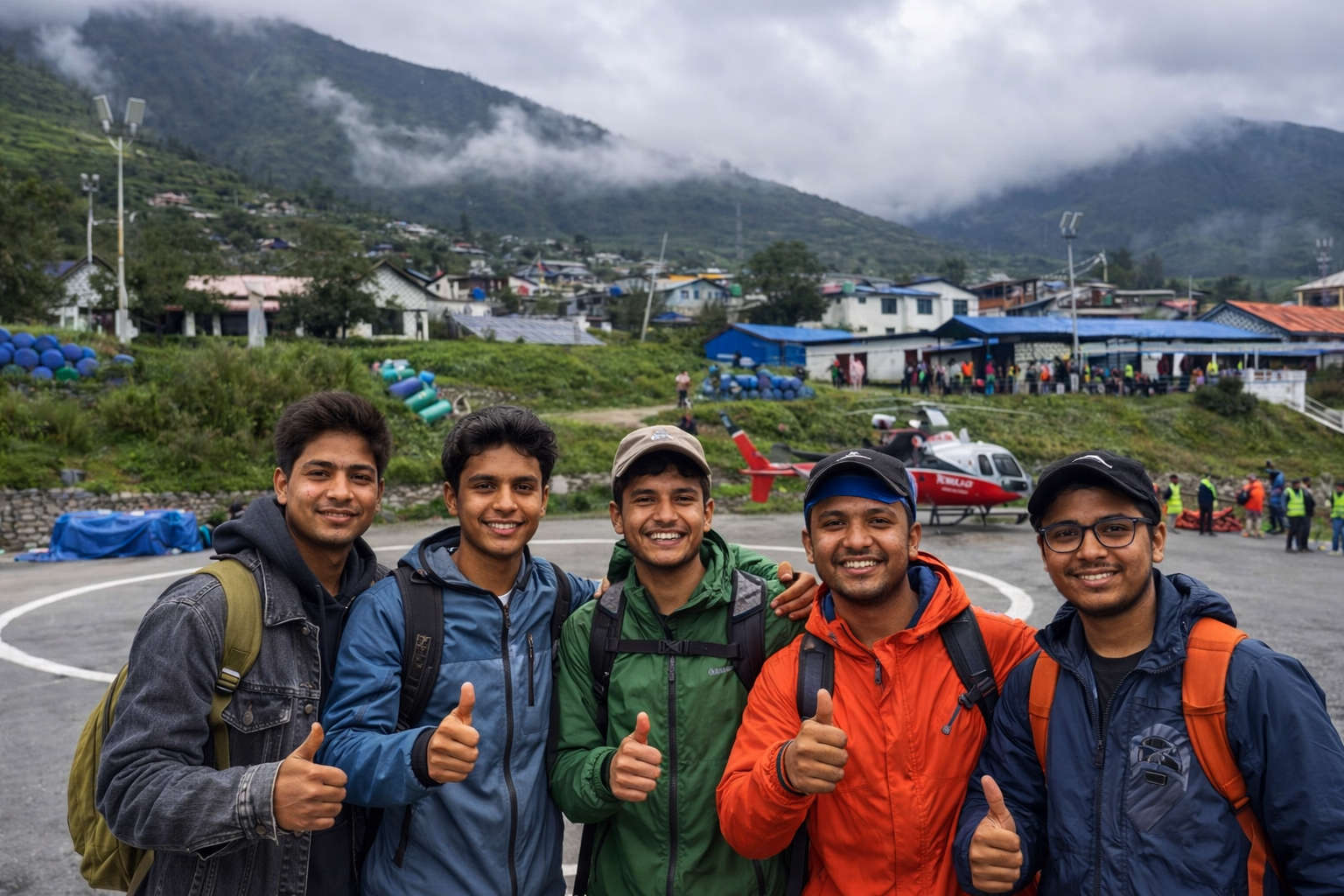
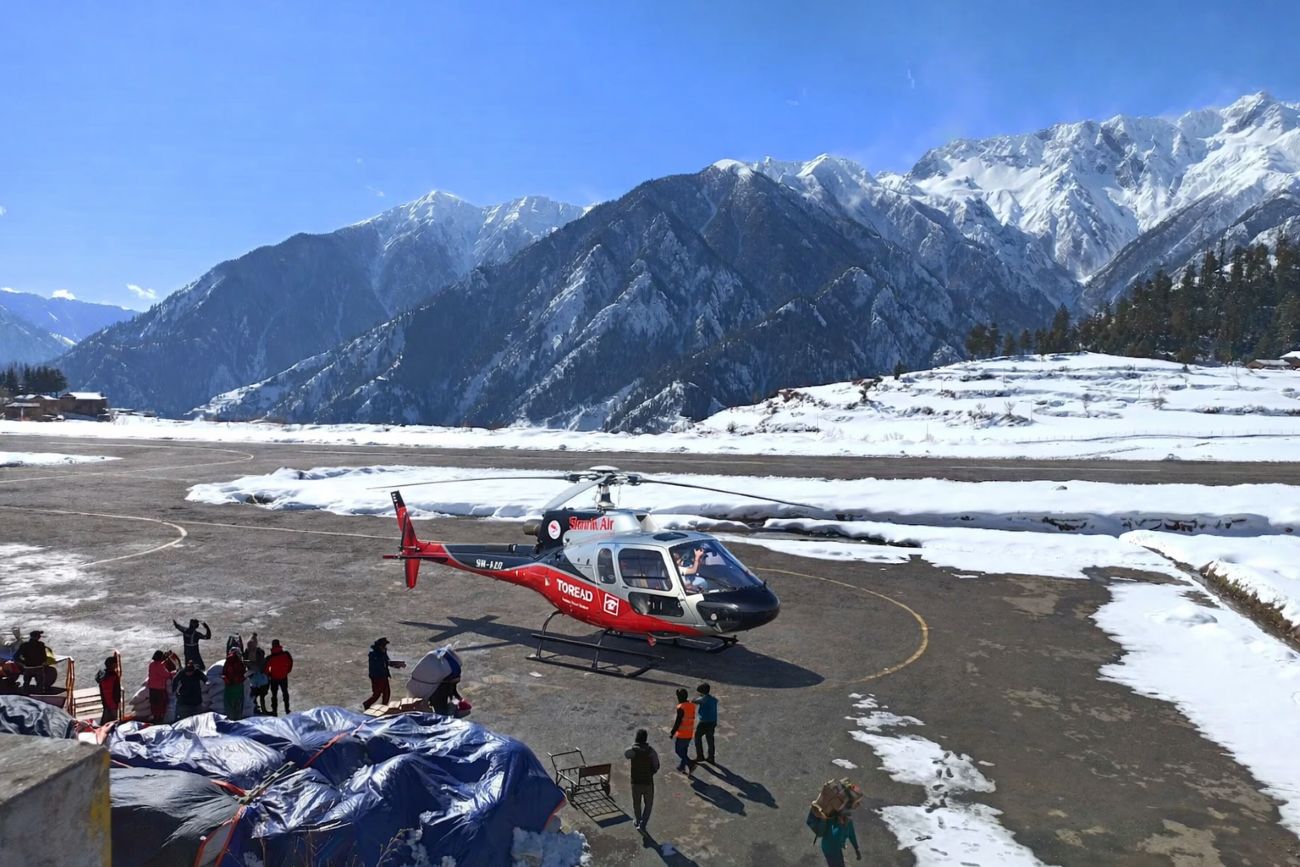
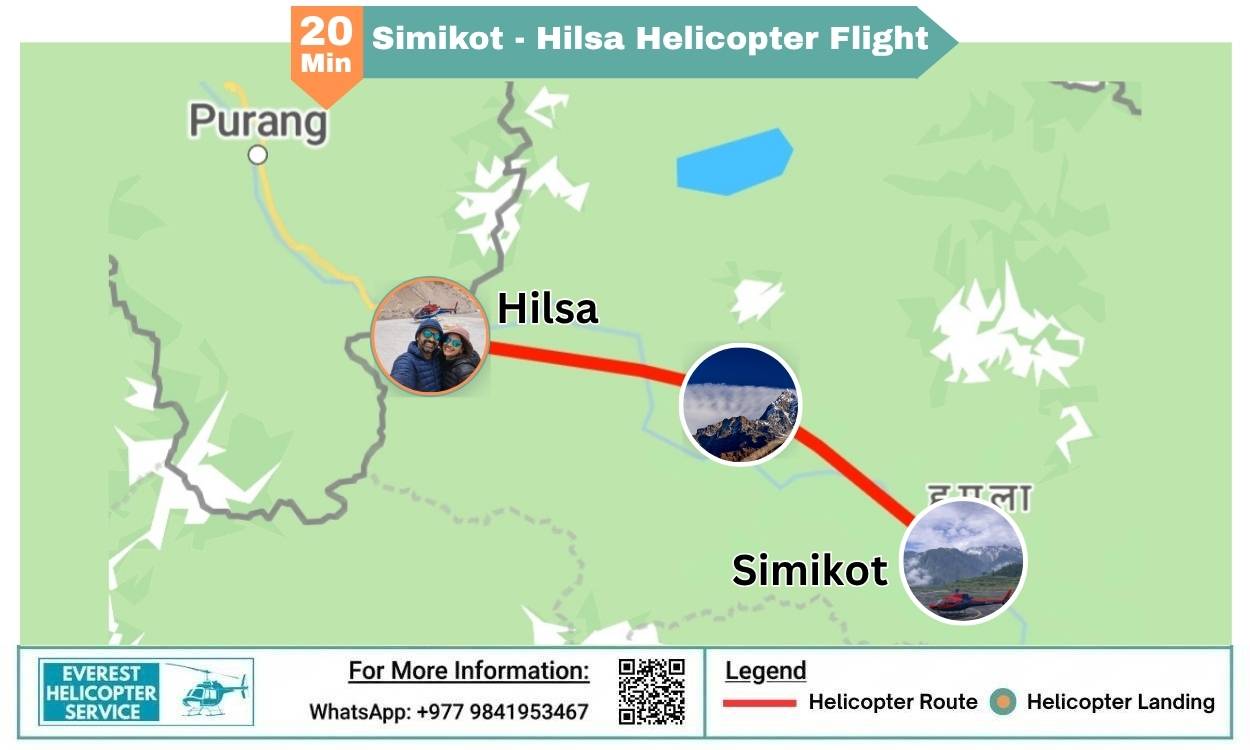



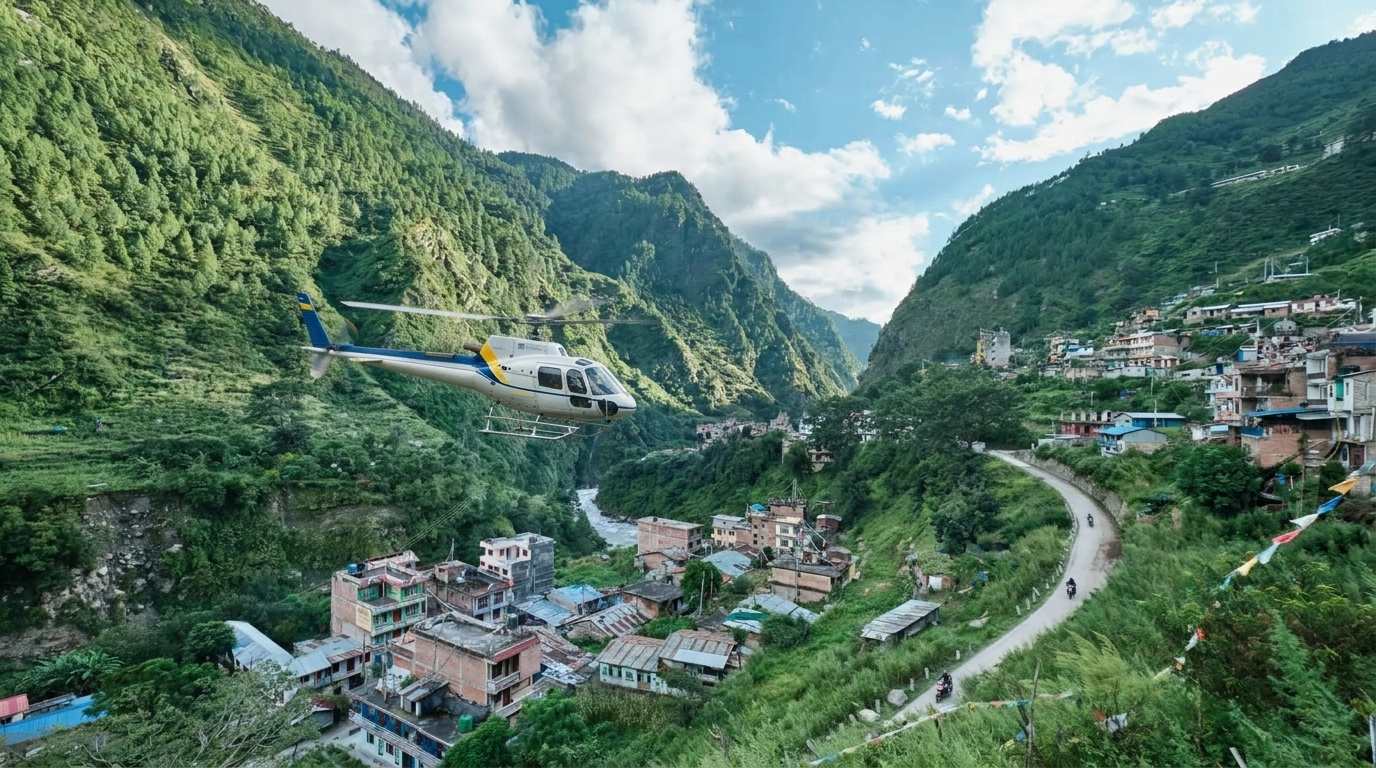
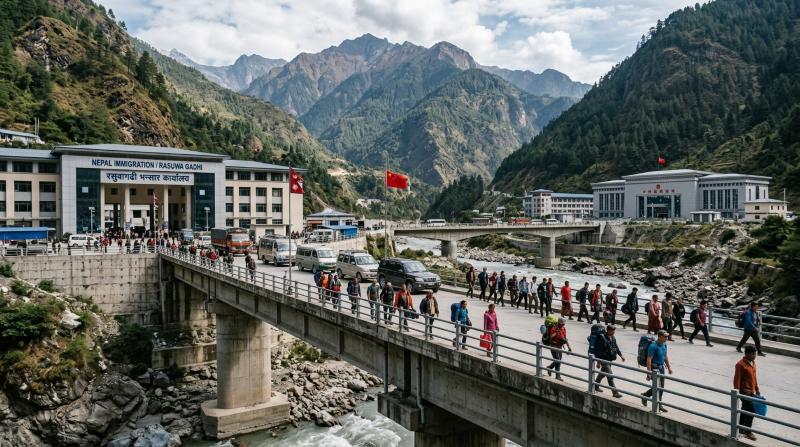
Rajesh MIndiaOn June, 2025
Seamless Experience From Start To Finish
Our Kailash Mansarovar Yatra Group Of 12 People Flew From Simikot To Hilsa With Everest Helicopter Service. From Booking To Boarding To Landing, Everything Was Professionally Managed. The Helicopter Was Modern And Well-maintained, The Pilot Was Experienced And Friendly, And The Views Were Absolutely Breathtaking. What Could Have Been A Grueling 3-day Trek Was Transformed Into A Comfortable 20-minute Flight, Leaving Us Energized For The Sacred Journey Ahead. Highly Recommended For Anyone Doing Kailash Yatra Via The Nepal Route.
Sarah ThakurEnglandOn May, 2025
Safety First, Always
At 68 Years Old, I Thought My Dream Of Visiting Mount Kailash Was Impossible—I Simply Couldn't Manage The Traditional Trek From Simikot To Hilsa. The Helicopter Service Changed Everything. The 20-minute Flight Was Comfortable, And I Arrived In Hilsa With Energy To Spare. I Successfully Completed The Entire Kailash Parikrama, Fulfilling A Lifelong Spiritual Aspiration. Thank You, Everest Helicopter Service, For Making The Pilgrimage Accessible To Older Devotees Like Me. Your Service Is Not Just Transport—it's Enabling Spiritual Dreams.
Michael and Jennifer KAustraliaOn August, 2025
Excellent Value And Service
We Compared Several Helicopter Operators For Our Simikot-Hilsa Flight, And Everest Helicopter Service Offered The Best Combination Of Price, Safety Record, And Customer Reviews. They Delivered Exactly What Was Promised—no Hidden Fees, Professional Service, Punctual Departure, And Courteous Staff. The Booking Process Was Straightforward, Payment Secure, And Communication Throughout Excellent. When We Needed To Modify Our Return Date, They Accommodated Without Penalty. Honest, Reliable Company That I'd Recommend To Anyone.
Pilgrimage Group Leader, DelhiIndiaOn July, 2025
Saved Our Pilgrimage
Our Group's Fixed-wing Flight From Kathmandu To Simikot Was Delayed Two Days Due To Weather. We Were In Danger Of Missing Our Chinese Visa Dates For Tibet Entry. Everest Helicopter Service Worked With Us To Rearrange Our Simikot-Hilsa Helicopter Booking With No Extra Charges, And Even Helped Coordinate With Our Tibet Tour Operator. Their Flexibility And Customer Service Saved Our Entire Pilgrimage. Going Above And Beyond—that's What They Did For Us. Forever Grateful.
Dr. PatriciaUSAOn June, 2025
Professional Emergency Response
During Our Flight, A Passenger Experienced Altitude Sickness Symptoms (they Had Flown Up Too Quickly From Kathmandu The Previous Day). The Pilot Immediately Assessed The Situation, Maintained Calm, Communicated Clearly, And Had Oxygen Ready. We Diverted Slightly For A Smoother Landing, And Ground Staff Had Medical Assistance Waiting. The Passenger Recovered Fully With Rest And Proper Acclimatization. I Was Deeply Impressed By The Professionalism, Training, And Care Demonstrated. You Want This Kind Of Competence When Flying In The Himalayas.